Nebraska weather doesn’t play around. One week it’s 100 degrees with relentless sun. Next, you’re scraping ice off your windshield while the wind tries to knock over your trash cans. If your siding isn’t built for that kind of mood swing, your house pays the price.
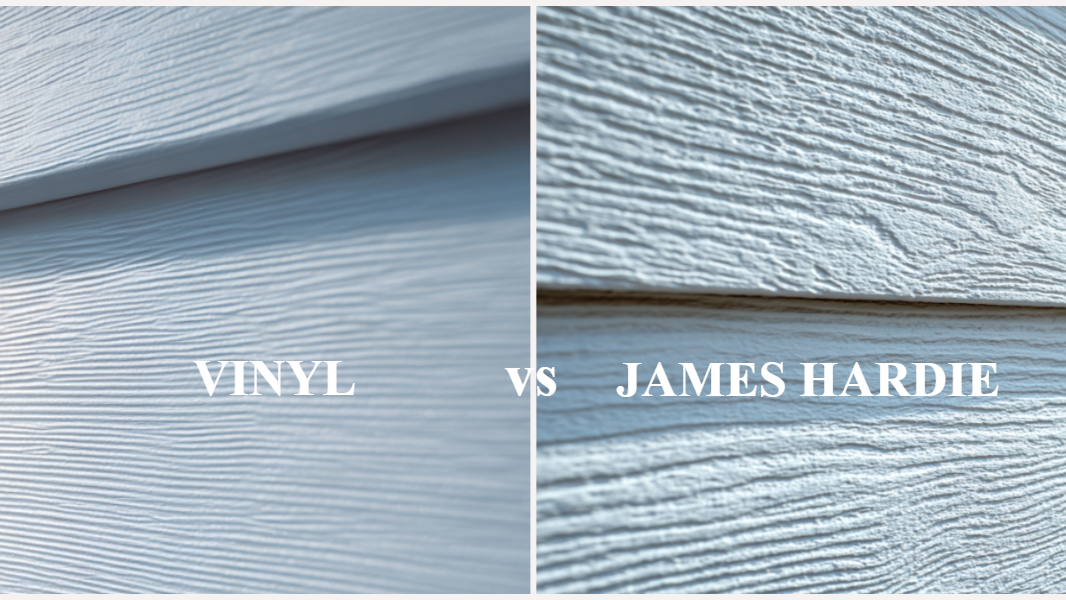
Homeowners across Omaha and surrounding communities are asking the same question in 2026: Should I choose Hardie siding or vinyl siding for my home?
Let’s break it down in plain English—no fluff, no sales pitch—just what works, what lasts, and what makes sense for your budget and your peace of mind.
Key Takeaways
- Nebraska’s freeze-thaw cycles and wind make durability a top priority
- Hardie siding performs better in extreme temperature swings
- Vinyl siding is more budget-friendly upfront
- Maintenance needs differ significantly between the two
- Long-term value depends on your goals: resale, durability, or upfront savings
Now let’s dig into what really matters.
Why Does Nebraska’s Climate Matter So Much When Choosing Siding?
Because the weather here tests everything you install on your home
In Nebraska, siding isn’t just cosmetic. It’s your home’s first shield against:
- High winds
- Hailstorms
- Heavy snow
- Rapid freeze-thaw cycles
- Intense summer UV exposure
Those freeze-thaw cycles are the real troublemakers. Materials expand in summer heat and contract in winter cold. Do that enough times, and weaker materials start to crack, warp, or loosen.
If you’ve ever seen siding buckling after a harsh winter or melting slightly on the sunniest wall of the house, you already know what we’re talking about.
So before you compare price tags, you have to ask: Which material actually holds up here?
What Is Hardie Siding and How Does It Perform in 2026?
Hardie siding is engineered fiber cement built for harsh conditions
Hardie siding, made by James Hardie, is a fiber cement product designed specifically for climate performance. In fact, the company manufactures siding tailored to different climate zones—including cold, storm-prone regions like Nebraska.
Here’s how it performs:
Durability
Hardie siding is resistant to cracking, moisture damage, and warping. It doesn’t expand and contract the way vinyl does. That makes it especially strong against freeze-thaw cycles.
Wind resistance
Properly installed fiber cement siding can handle strong Nebraska winds without lifting or rattling.
Fire resistance
Unlike vinyl, Hardie siding is non-combustible. That’s an added layer of safety many homeowners appreciate.
Longevity
Hardie siding often lasts 30–50 years with proper maintenance.
The trade-off? It costs more upfront and requires professional installation. This is not a DIY-friendly material. But for homeowners who plan to stay long-term, it’s often seen as an investment rather than an expense.
How Does Vinyl Siding Compare in Nebraska Weather?
Vinyl siding offers affordability and low maintenance, but with limits
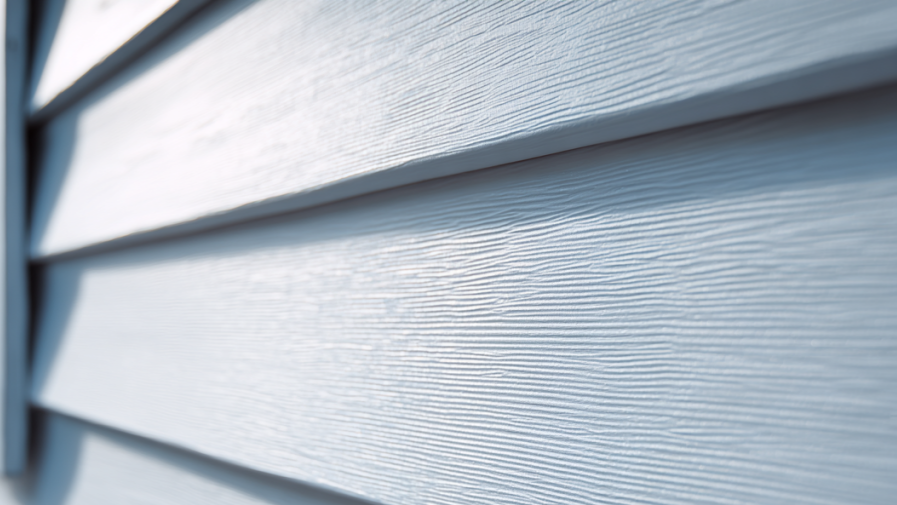
Vinyl siding has been a popular choice for decades. It’s lightweight, affordable, and widely available.
Here’s where it shines:
Lower upfront cost
Vinyl is typically less expensive to purchase and install than Hardie siding.
Low maintenance
It doesn’t require repainting. A simple wash once or twice a year usually keeps it looking clean.
Moisture resistance
Vinyl doesn’t absorb water, so it won’t rot.
But Nebraska weather can expose its weaknesses:
Temperature sensitivity
Vinyl expands in heat and contracts in cold. Over time, this movement can cause warping or loosened panels.
Wind vulnerability
Strong gusts can pull panels loose if not installed perfectly.
Impact resistance
Hail and flying debris can crack vinyl more easily than fiber cement.
In short, vinyl can work well—but it’s more vulnerable to extreme conditions.
Which Siding Holds Up Better Against Nebraska Storms?
Hardie siding generally wins in severe weather conditions
Let’s talk storms. Because in Nebraska, storms aren’t rare—they’re expected.
When it comes to hail and wind:
- Hardie siding resists cracking from moderate hail better than standard vinyl
- Fiber cement panels are heavier and less likely to lift in high winds
- Vinyl panels can become brittle in cold weather, increasing the risk of cracking
If storm durability is your top concern, Hardie typically offers stronger protection.
That said, higher-grade insulated vinyl products have improved in recent years. Not all vinyl is created equal. The quality of materials and installation makes a major difference.
What About Maintenance and Long-Term Care?
Maintenance needs depend on what kind of upkeep you’re comfortable with
Hardie siding requires repainting every 10–15 years, depending on sun exposure. The good news? It holds paint exceptionally well.
Vinyl siding doesn’t require painting, but it can fade over time. If it cracks, replacing individual panels may be noticeable due to color differences.
Here’s a simple breakdown:
Hardie siding:
- Needs periodic repainting
- Resistant to pests and rot
- Strong structural integrity
Vinyl siding:
- No painting required
- May fade or become brittle
- Easier to replace sections
If you prefer a “set it and forget it” approach, vinyl appeals to many homeowners. If you value long-term durability and don’t mind repainting down the road, Hardie may be worth it.
How Do Costs Compare in 2026?
Vinyl costs less upfront, but Hardie may offer better long-term value
In Nebraska in 2026, average installed costs generally fall into these ranges:
Vinyl siding: Lower upfront investment
Hardie siding: Higher initial cost due to material and labor
But cost isn’t just about installation day. You should also consider:
- Potential storm repairs
- Insurance benefits for impact-resistant materials
- Resale value
- Lifespan
Many buyers view fiber cement siding as a premium upgrade. That can increase curb appeal and resale potential.
If you’re planning to stay in your home for decades, Hardie’s durability may balance out its higher cost.
Which Siding Adds More Curb Appeal?
Both look good—but Hardie often delivers a more realistic finish
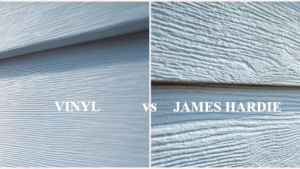
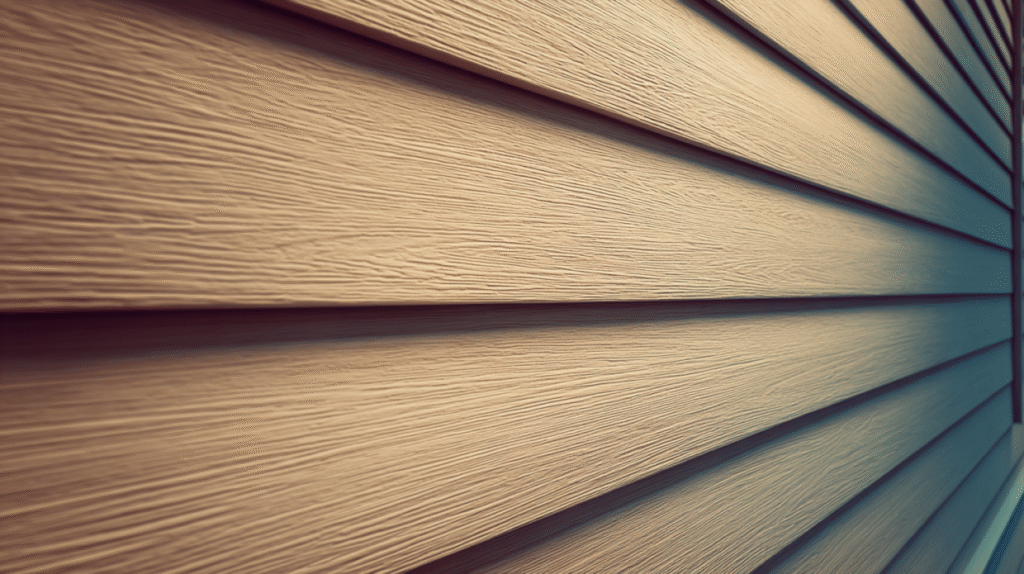
Today’s vinyl products have come a long way in texture and color options. Still, fiber cement tends to offer a more authentic wood-grain appearance.
Hardie siding:
- Deeper texture
- Crisp, clean lines
- High-end appearance
Vinyl siding:
- Wide range of colors
- Lower cost for similar styles
- Lightweight and versatile
If visual impact matters—especially in established Omaha neighborhoods—Hardie often edges ahead in perceived quality.
Straight Answers for Busy Homeowners
What do most Nebraska homeowners really want to know?
Is Hardie siding worth the extra money?
If you want long-term durability and storm resistance, many homeowners say yes.
Does vinyl siding crack in cold weather?
It can become brittle in extreme cold, increasing the risk of cracks from impact.
Which siding lasts longer in Nebraska?
Fiber cement typically has a longer lifespan.
Is installation important?
Absolutely. Even the best material fails if installed incorrectly.
Will either option improve energy efficiency?
Insulated vinyl can improve efficiency slightly. Hardie relies more on proper house wrap and insulation systems behind it.
So, Which Siding Should You Choose in Nebraska?
The right choice depends on your goals, timeline, and budget
If you’re flipping a home or working within a tight budget, vinyl siding may be the practical choice.
If you’re planning to stay long-term, want maximum storm resistance, and care about premium curb appeal, Hardie siding is often the stronger investment.
Either way, installation quality matters just as much as material choice. Because even the toughest siding won’t perform if it’s installed wrong.
Built to Handle Nebraska: Your Next Step
Your home deserves siding that can handle Nebraska’s wind, heat, hail, and deep winter freezes without flinching.
If you’re weighing Hardie versus vinyl and want real answers—not a sales script—talk to a local team that works in this climate every day.
Contact Bishop Exteriors in Omaha, Nebraska for expert guidance, professional installation, and siding solutions built to last. They’ll walk your property, explain your options clearly, and help you choose the material that fits your home and your long-term goals.
Because in Nebraska, siding isn’t just about looks.
It’s about standing strong when the weather decides to test you.