If you’ve started looking into new siding, you’ve probably asked the same question everyone else does: How much is this really going to cost me?
And not just the sales-brochure number. The real number. The one that includes tear-off, trim, labor, surprises hiding behind old panels, and the kind of Nebraska weather that doesn’t care about your renovation schedule.
In 2026, more homeowners in Omaha are choosing fiber cement from James Hardie because it’s built to handle serious weather. But before you commit, you deserve a clear, honest look at what you’re paying for—and why.
Let’s break it down.
Key Takeaways
- James Hardie siding in Omaha typically costs more upfront than vinyl
- Most 2026 projects range higher due to labor, tear-off, and trim details
- Home size, layout complexity, and existing damage heavily affect final pricing
- Fiber cement offers long-term durability in Nebraska’s climate
- Choosing an experienced local installer makes a major difference in performance
Now let’s get into the numbers—and what drives them.
What Is the Average Cost of James Hardie Siding in Omaha in 2026?
Most homeowners invest more upfront for long-term durability
In Omaha, total installed costs for James Hardie siding in 2026 typically range higher than vinyl due to material weight, specialized labor, and prep work.
For an average-sized home, homeowners commonly see full-project totals that reflect:
- Removal of existing siding
- House wrap and moisture barrier updates
- New trim and soffit work
- Professional fiber cement installation
- Caulking, sealing, and finishing
The exact number depends on square footage and complexity, but most full siding replacements land in a premium pricing tier compared to entry-level materials.
If you’re wondering, “Why does it cost that much?”—the answer is in what’s behind the panels.
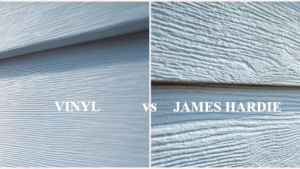
Why Does James Hardie Siding Cost More Than Vinyl?
Because it’s heavier, stronger, and built for harsher climates
Fiber cement siding isn’t light. It’s engineered to handle freeze-thaw cycles, wind, hail, and blazing summer sun—all of which we get plenty of here in Omaha.
Here’s what adds to the cost:
Material weight
Hardie planks are heavier and more durable than vinyl. That means shipping, handling, and installation require more labor.
Specialized installation
Fiber cement must be cut with specific tools and installed according to manufacturer guidelines. It’s not a quick nail-and-go job.
Climate engineering
James Hardie manufactures products designed for cold and storm-prone regions, which improves longevity but adds to material cost.
Longer lifespan
While vinyl may last 20–30 years, fiber cement often lasts 30–50 years with proper care.
In short, you’re paying for durability and performance—not just appearance.
What Factors Affect the Final Price of a Hardie Siding Project?
Your home’s details matter more than you might think
No two homes are priced the same. A simple ranch-style home costs less to side than a two-story house with gables, dormers, and detailed trim.
Here are the biggest cost drivers:
Home size
More square footage means more material and labor.
Architectural complexity
Peaks, corners, and unique features increase cutting time and installation precision.
Existing siding condition
If there’s water damage or rotted sheathing underneath, repairs will add to the project.
Trim and accent choices
Upgrading to fiber cement trim, soffits, or custom accents increases total cost.
Insulation upgrades
Some homeowners add insulation or weather barriers during replacement.
Permits and local codes
Certain neighborhoods in Omaha may have requirements that influence materials or installation.
If you want a truly accurate estimate, it starts with an in-person inspection. Online calculators can’t see hidden moisture damage or framing issues.
Is James Hardie Worth the Investment in Omaha’s Climate?
For many homeowners, the answer is yes
Omaha weather swings from bitter cold winters to hot, humid summers. That constant expansion and contraction can wreck weaker materials over time.
Fiber cement holds its shape better during temperature swings. It resists moisture, won’t rot, and doesn’t become brittle in extreme cold.
Homeowners often choose Hardie because:
- It stands up better to wind and hail
- It doesn’t melt or warp in direct summer sun
- It resists pests like woodpeckers and insects
- It adds a higher-end look to the home
If you’re planning to stay in your home long-term, that durability often outweighs the upfront cost.
How Does Installation Impact the Total Cost?
Proper installation protects your investment
Here’s something many homeowners don’t realize: fiber cement is only as good as the crew installing it.
Improper installation can lead to:
- Moisture infiltration
- Cracked boards
- Voided manufacturer warranties
- Premature failure
Experienced installers understand spacing requirements, flashing techniques, and expansion gaps specific to fiber cement.
Choosing a qualified local contractor may cost slightly more than the lowest bid—but it can save thousands in repairs later.
In siding work, craftsmanship isn’t optional. It’s everything.
Can You Finance James Hardie Siding in 2026?
Many homeowners use financing to spread out the investment
Siding replacement is a major home upgrade. Not everyone wants to write one large check.
Many contractors offer financing options that allow homeowners to:
- Break payments into manageable monthly amounts
- Start projects before storm season
- Increase home value without draining savings
If your siding is failing now—cracking, warping, or letting moisture in—waiting may cost more in structural repairs later.
Sometimes the smart financial move is fixing the problem before it grows.
How Does Hardie Siding Affect Home Value?
Curb appeal and durability both matter to buyers
When buyers look at homes in Omaha, siding conditions are one of the first things they notice.
New fiber cement siding can:
- Increase curb appeal
- Improve inspection results
- Signal long-term durability
- Reduce buyer concerns about maintenance
While exact return on investment varies, high-quality siding replacements often rank among the more valuable exterior upgrades.
It’s not just about resale. It’s about confidence—yours and the next homeowner’s.
Straight Talk from the Job Site
What are Omaha homeowners really asking?
How long does James Hardie siding last?
With proper installation and maintenance, 30–50 years is common.
Does it need repainting?
Yes. Fiber cement holds paint well, but repainting is typically needed every 10–15 years depending on sun exposure.
Is it better than vinyl for Nebraska winters?
It generally handles freeze-thaw cycles better and doesn’t become brittle in cold snaps.
How long does installation take?
Most full siding replacements take one to two weeks depending on weather and home size.
What happens if there’s hidden water damage?
Reputable contractors will show you the damage, explain repair options, and address it before installing new siding.
What Should You Do Before Requesting an Estimate?
Preparation leads to smarter decisions
Before meeting with a contractor, take a walk around your home and look for:
- Cracks or gaps in current siding
- Soft spots near windows or doors
- Peeling paint or moisture stains
- Loose or rattling panels
Make a list of concerns and long-term goals. Are you staying in the home? Planning to sell? Looking for the lowest cost or the longest lifespan?
Clear goals lead to better recommendations.
Built to Last in Omaha: Your Next Step
Replacing siding isn’t just a cosmetic update. It’s protection. It’s insulation. It’s your home standing firm when Nebraska weather decides to show off.
If you’re considering James Hardie siding and want a real breakdown—not vague ballpark numbers—talk to a team that installs it every day.
Contact Bishop Exteriors in Omaha, Nebraska for expert evaluation, transparent pricing, and professional fiber cement installation. They’ll inspect your home, explain every cost factor clearly, and help you decide if Hardie siding is the right fit for your budget and long-term goals.
Because when it comes to protecting your home, guessing isn’t good enough.
You need siding built to last—and people who know how to install it right.