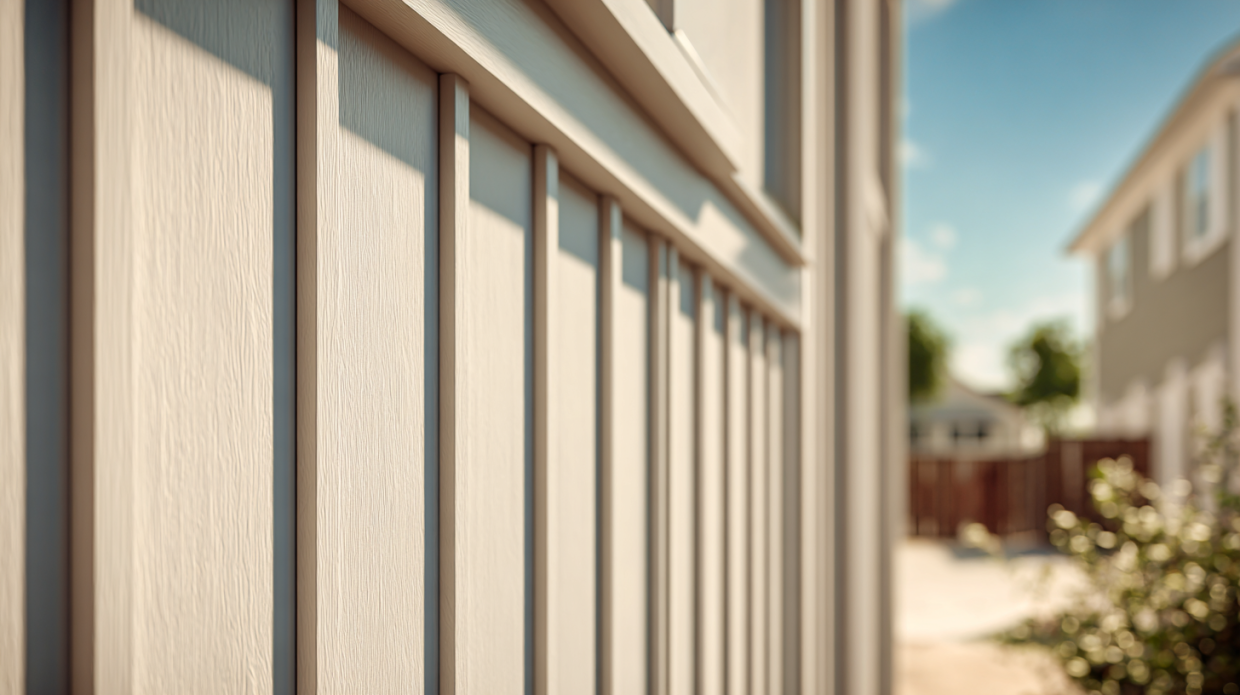
Because Nebraska weather exposes weak siding fast
Nebraska homeowners don’t get the luxury of “good enough” siding. Between icy winters, hail-heavy storms, and summer heat that doesn’t quit, exterior materials are constantly tested. Board and batten siding has surged in popularity because it offers strong visual impact while pairing beautifully with durable materials like James Hardie fiber cement.
Homeowners aren’t just chasing a look—they’re trying to avoid repeat repairs, peeling paint, and premature replacements. James Hardie board and batten answers those concerns with a product engineered for demanding climates.
Key reasons homeowners are exploring this option include:
- Long-term durability in extreme temperature swings
- A bold, vertical look that boosts curb appeal
- Reduced maintenance compared to wood siding
- Strong resale value in competitive Nebraska markets
Key Takeaways Before We Dive In
- James Hardie board and batten is a premium siding option with long-term value
- Nebraska climate makes fiber cement a smart investment
- Installation quality heavily affects final cost and performance
- Pricing varies based on labor, prep work, and design choices
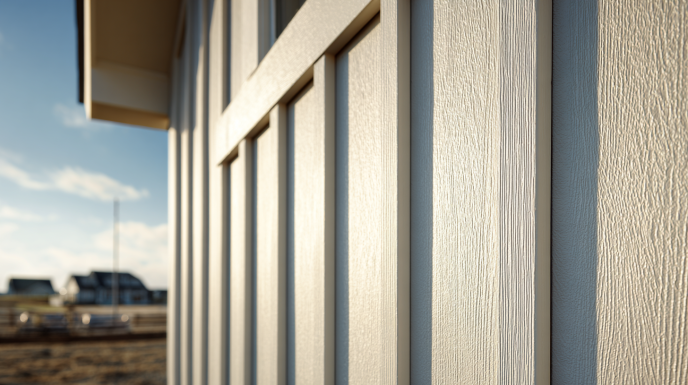
What Is James Hardie Board & Batten Siding?
A modern material built around a classic vertical design
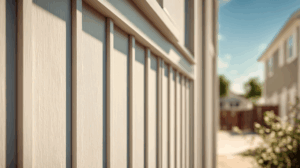
Board and batten siding is defined by wide vertical boards with narrow battens covering the seams. James Hardie elevates this traditional style by using fiber cement, a blend of cement, sand, and cellulose fibers that delivers strength without sacrificing aesthetics.
Unlike wood, this material doesn’t rot, attract insects, or swell with moisture. That makes it especially appealing in Nebraska, where moisture and freeze-thaw cycles are constant threats.
What sets James Hardie board and batten apart:
- Engineered for moisture and temperature resistance
- Non-combustible and fire-resistant
- Designed to mimic real wood texture
- Backed by long-term manufacturer warranties
How Much Does James Hardie Board & Batten Cost in Nebraska in 2026?
Pricing reflects both material quality and labor complexity
In 2026, James Hardie board and batten sits firmly in the premium siding category. Nebraska homeowners should expect pricing that reflects not just the material itself, but the expertise required to install it correctly.
Average pricing ranges include:
- Materials only: $8–$12 per square foot
- Installed cost: $14–$22 per square foot
For a typical 2,000-square-foot home, this often translates to a total project cost between $28,000 and $44,000.
Why pricing varies so widely:
- Home size and number of stories
- Removal of existing siding
- Wall repairs or moisture mitigation
- Trim packages and accent details
What Factors Have the Biggest Impact on Final Cost?
Your home’s details matter more than the price per square foot
Two Nebraska homes of the same size can receive very different quotes. That’s because board and batten installation exposes underlying issues that cheaper siding systems can hide.
Contractors must account for structural soundness, proper flashing, and alignment—especially with vertical siding.
Cost drivers that often surprise homeowners include:
- Sheathing repairs uncovered during tear-off
- Custom trim or mixed-siding designs
- Scaffold or lift requirements for taller homes
- Local labor demand and installer experience
Why Is Board & Batten More Expensive Than Lap Siding?
Vertical siding demands precision, not shortcuts
Board and batten installation takes more time and skill than horizontal lap siding. Every panel must be perfectly plumb, evenly spaced, and correctly fastened to prevent water intrusion.
Mistakes don’t just look bad—they can shorten the lifespan of the siding and void warranties.
Additional labor considerations include:
- More complex layout and alignment
- Increased flashing and moisture control
- Slower installation timelines
- Higher skill requirements for installers
Is James Hardie Board & Batten Worth the Investment in Nebraska?
Long-term performance changes the cost conversation
While the upfront price can cause sticker shock, many Nebraska homeowners find that James Hardie board and batten pays for itself over time. Reduced maintenance, fewer repairs, and longer replacement cycles shift the value equation.
In regions prone to hail and moisture damage, durability isn’t a luxury—it’s protection.
Why homeowners see long-term value:
- Lifespan of 30–50 years
- Strong resistance to rot and warping
- Fewer repainting cycles
- Improved resale appeal
How Long Can Homeowners Expect James Hardie Board & Batten to Last?
This siding is built for decades of exposure
James Hardie siding is designed to handle sustained abuse from the elements. When installed properly and maintained minimally, board and batten fiber cement siding routinely lasts several decades.
The manufacturer’s confidence shows in its warranty coverage, which helps homeowners feel secure about the investment.
Longevity factors include:
- 30-year non-prorated material warranty
- ColorPlus finishes that resist fading
- Strong resistance to pests and moisture
- Stable performance in freeze-thaw conditions
How Can Nebraska Homeowners Control Project Costs?
Smart design choices can protect your budget
You don’t have to abandon the board and batten look to stay within budget. Many homeowners achieve the same visual impact with strategic design decisions rather than full-home installations.
Planning early and working with an experienced contractor makes a significant difference.
Cost-control strategies that work:
- Use board and batten on gables or entryways
- Pair with Hardie lap siding for contrast
- Choose standard colors and trim profiles
- Address repairs before installation begins
What Are Homeowners Really Asking Before They Commit?
The Straight Answers Section
Nebraska homeowners tend to ask practical, experience-driven questions before moving forward. These answers cut through the noise.
Common questions include:
- Will it crack in freezing temperatures?
- How often does it need repainting?
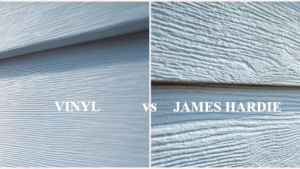
- Is it better than vinyl long-term?
- Can it be installed in colder months?
- Does it increase resale value?
In most cases, James Hardie board and batten performs exceptionally well across all of these concerns when professionally installed.
How Do You Choose the Right Installer in Omaha?
The product only performs as well as the installation
Even the best siding fails when installed poorly. Nebraska homeowners should prioritize contractors with fiber cement experience and a strong understanding of local conditions.
What to look for in a contractor:
- Proven James Hardie installation experience
- Clear, itemized estimates
- Knowledge of Nebraska climate challenges
- Strong workmanship warranties
Ready to Build an Exterior That Holds Up?
The Final Layer
James Hardie board and batten siding isn’t about trends—it’s about resilience, craftsmanship, and long-term confidence. In a state where weather pushes homes to their limits, choosing the right siding is a practical decision with lasting rewards.
If you’re considering James Hardie board and batten for your home, contact Bishop Exteriors in Omaha, Nebraska. Their team delivers expert guidance, precise installation, and results built to handle whatever Nebraska throws your way.