
Best Siding for Cold Weather: Protecting Your Home This Winter
•
Written By
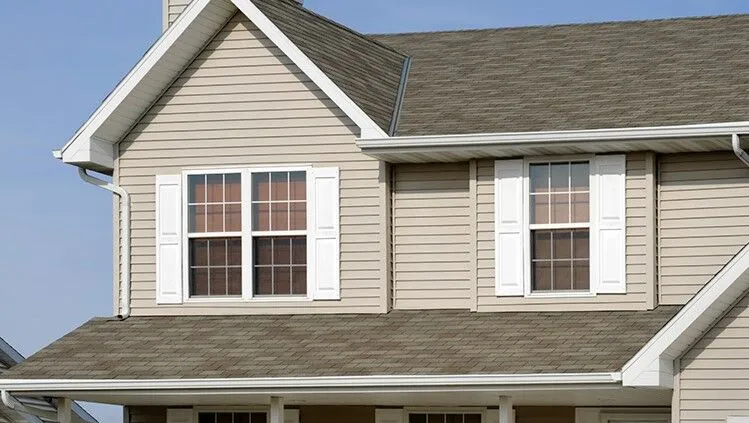
Winter has a way of finding every weakness in a home. Tiny gaps turn into drafts. Moisture sneaks in, freezes, expands, and suddenly your siding is cracking, warping, or peeling like it’s had enough of the job. If you live in a cold-weather climate, choosing the right siding isn’t about looks alone—it’s about protection, efficiency, and peace of mind when temperatures drop hard.
This guide breaks down the best siding options for cold weather, why they work, and how they protect your home when winter is at its worst. No fluff. Just real-world advice that helps homeowners make smart, durable decisions.
Key Takeaways: What Should You Remember Right Away?
- Not all siding materials handle freezing temperatures the same way
- Insulation value matters just as much as durability
- Moisture resistance is critical in snowy, icy climates
- The right installation is as important as the material itself
- Local expertise makes a measurable difference in long-term performance
Why Does Cold Weather Put So Much Stress on Your Siding?
How does winter actually damage siding?
Cold weather is tough because it’s relentless. Repeated freeze-thaw cycles cause materials to expand and contract, which leads to cracking, gaps, and moisture intrusion over time. Snow piles up against exterior walls, ice forms in seams, and wind-driven cold finds its way inside if your siding isn’t up to the task.
In places like Omaha, winter doesn’t ease in gently—it shows up, stays awhile, and tests every inch of your home’s exterior. Siding that isn’t designed for these conditions often fails early, driving up repair costs and energy bills.
What Makes a Siding Material “Cold-Weather Ready”?
What should homeowners look for when choosing siding for winter climates?
The best siding for cold weather shares a few key traits: durability, insulation potential, moisture resistance, and flexibility under temperature changes. Materials that become brittle in the cold or absorb moisture tend to fail first.
Here’s what truly matters:
- Resistance to cracking and warping in freezing temperatures
- Strong moisture defense to prevent rot and mold
- Compatibility with insulated backers or foam board
- Proven performance in regions with snow, ice, and wind
Is Vinyl Siding a Smart Choice for Cold Weather?
How does modern vinyl perform in winter conditions?
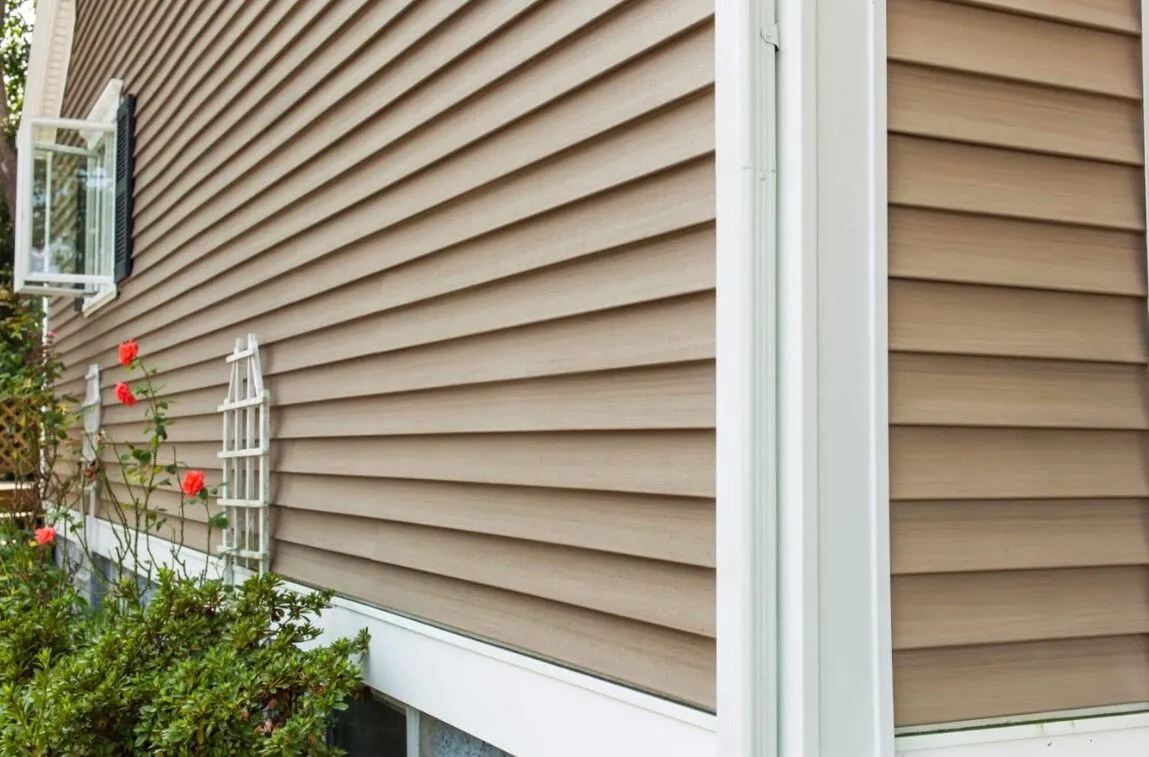
Vinyl siding has come a long way. High-quality, cold-rated vinyl is engineered to remain flexible in low temperatures, reducing the risk of cracking. When paired with insulated vinyl panels or proper underlayment, it can significantly improve a home’s energy efficiency.
For homeowners on a budget who still want reliable winter protection, vinyl can be a solid choice—provided it’s professionally installed and designed for cold climates. Cheaper vinyl, however, often becomes brittle in extreme cold, so material selection matters.
Why Is Insulated Vinyl Siding So Popular in Cold Climates?
How does insulation built into siding help during winter?
Insulated vinyl siding adds a rigid foam backing that wraps your home in a thermal blanket. This reduces thermal bridging, keeps interior temperatures stable, and cuts down on drafts that make rooms uncomfortable.
Benefits homeowners notice most:
- Lower heating bills during winter months
- Fewer cold spots near exterior walls
- Improved sound reduction during high winds
- Added impact resistance against hail and debris
For many Midwest homeowners, insulated vinyl hits the sweet spot between affordability and performance.
Is Fiber Cement Siding Good for Freezing Temperatures?
How does fiber cement hold up during harsh winters?
Fiber cement siding is one of the toughest options available for cold weather. It doesn’t warp, melt, or become brittle when temperatures drop. It’s also resistant to moisture, insects, and fire, making it a long-term investment in durability.
That said, fiber cement requires precise installation. Poor installation can lead to moisture issues at seams, especially in freeze-thaw environments. When installed correctly, though, it performs exceptionally well in Nebraska winters and offers a clean, timeless look.
Can Engineered Wood Siding Handle Cold Weather?
Is engineered wood a risky choice in winter climates?
Engineered wood siding is designed to resist moisture better than traditional wood while maintaining a natural appearance. Many modern products are treated to handle cold, wet conditions and perform well when properly sealed and maintained.
However, it does require ongoing care. Homeowners who choose engineered wood should be comfortable with periodic inspections and maintenance to ensure winter moisture doesn’t find a way in.
What About Metal Siding for Winter Protection?
Does steel or aluminum siding work in cold regions?
Metal siding, especially steel, is incredibly durable and shrugs off snow, ice, and wind. It won’t crack or rot, and it handles freeze-thaw cycles without structural issues.
The main concern is insulation. Metal transfers cold easily, so it must be paired with quality insulation systems to prevent heat loss. When done right, metal siding can be a long-lasting, low-maintenance option for cold climates.
How Does Proper Installation Affect Winter Performance?
Why does workmanship matter just as much as material?
Even the best siding can fail if it’s installed incorrectly. Gaps, poor flashing, or improper fastening allow moisture and cold air to infiltrate your home. In winter, those small mistakes get expensive fast.
Professional installation ensures:
- Correct spacing for expansion and contraction
- Proper moisture barriers and flashing
- Secure fastening that resists high winds
- Long-term warranty protection
This is where working with a local contractor who understands Omaha’s climate becomes a major advantage.
What Are the Biggest Mistakes Homeowners Make When Choosing Siding?
How can you avoid costly winter-related siding problems?
Many homeowners focus only on appearance or upfront cost. Others choose materials not rated for cold climates. The most common mistakes include:
- Choosing siding without considering insulation value
- Ignoring moisture management systems
- Hiring installers without cold-weather experience
- Delaying replacement until visible damage appears
Winter doesn’t forgive shortcuts. Planning ahead saves money and stress.
Curious Minds Corner: Your Cold-Weather Siding Questions Answered
Can siding really lower my heating bills?
Yes. Insulated siding and proper installation reduce heat loss, which means your furnace doesn’t have to work as hard.
Will my siding crack during extreme cold snaps?
High-quality, cold-rated materials are designed to flex and resist cracking, even during sudden temperature drops.
Is it better to replace siding before or after winter?
Before winter is ideal. It allows your home to enter the cold season fully protected and energy efficient.
How long should winter-ready siding last?
With proper materials and installation, many siding systems last 30–50 years or more.
How Do You Choose the Right Siding for Your Home?
What’s the smartest next step for homeowners in Omaha?
Every home is different. The right siding depends on your budget, design goals, and how much winter punishment your exterior takes each year. The best approach is to work with professionals who understand local weather patterns and can recommend materials that truly perform.
Ready to Weather Any Winter? Let’s Protect Your Home the Right Way
Cold weather doesn’t have to be something your home barely survives. With the right siding, it can be something your home is built to handle—quietly, efficiently, and without drama.
If you’re considering new siding or worried about how your current exterior will hold up this winter, reach out to Bishop Exteriors in Omaha, Nebraska. Their team understands Midwestern winters and knows how to protect homes with siding solutions that last. A warmer, more resilient home starts with one smart conversation.
Recent Articles

Common James Hardie Installation Mistakes | 2026 Contractor Insights
May 18, 2026

Hardie Shingle vs Vinyl Shake | 2026 Siding Comparison for Local Homes in Omaha
May 4, 2026

HardiePlank vs HardiePanel | 2026 Siding Comparison for Nebraska Homes
April 17, 2026

How Long Does James Hardie Siding Last in Nebraska? | 2026 Guide
April 1, 2026