
Flat roofs have a clean look and practical advantages, but when winter rolls in, they can feel like a gamble—especially in cold climates. Snow buildup, ice dams, and freezing temperatures raise real concerns for homeowners who want durability without constant repairs. The good news is that residential flat roofs can perform exceptionally well in cold regions when they’re designed, installed, and maintained the right way.
This guide walks through what homeowners need to know about flat roofs in cold climates, how to avoid common winter problems, and what actually works when temperatures drop and snow piles up.
Key Takeaways: What Should You Know Before Winter Hits?
- Flat roofs can work in cold climates with the right materials
- Snow load and drainage design are critical
- Insulation and ventilation matter more than roof slope
- Preventative maintenance reduces winter damage
- Local expertise makes all the difference in long-term performance
What Makes Flat Roofs Challenging in Cold Climates?
Why does winter hit flat roofs harder than pitched roofs?
Flat roofs don’t shed snow the way steep roofs do. Snow tends to linger, melt slowly, and refreeze overnight. That freeze-thaw cycle creates stress on roofing membranes and can lead to leaks if the system isn’t designed for cold weather.
In places like Omaha, winters bring heavy snow, strong winds, and temperature swings. A flat roof that isn’t built for those conditions can struggle fast. The challenge isn’t the flat roof itself—it’s poor planning and outdated materials.
Are Flat Roofs a Bad Idea in Cold Weather?
Can residential flat roofs actually work in winter climates?
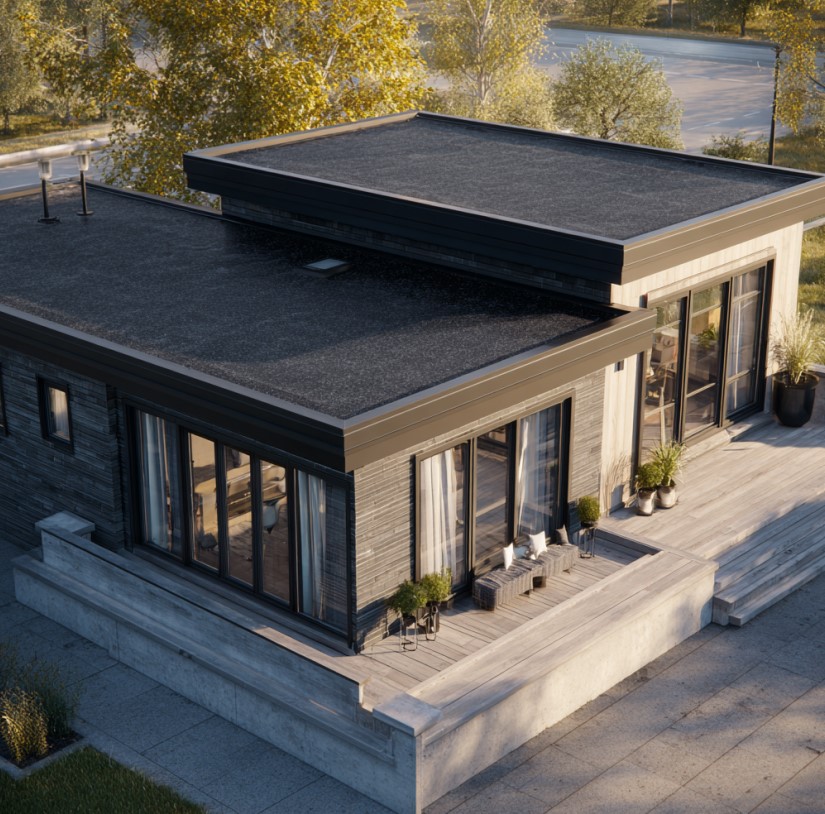
Flat roofs aren’t a bad idea—they just demand smarter design. Modern flat roofing systems are engineered to handle cold, snow, and ice far better than older installations. When paired with proper insulation, drainage, and membranes rated for low temperatures, flat roofs can be just as reliable as pitched roofs.
The key is understanding that “flat” doesn’t mean perfectly level. A slight slope is built in to move water and melting snow toward drains or scuppers.
What Roofing Materials Perform Best on Flat Roofs in Winter?
Which flat roofing systems handle snow and freezing temperatures best?
Not all flat roof materials are created equal. Cold climates require membranes that stay flexible and watertight even when temperatures dip well below freezing.
Common cold-weather flat roofing options include:
- EPDM rubber roofing, known for flexibility and durability
- TPO roofing, which reflects heat and resists cracking
- Modified bitumen, designed with layers that handle expansion and contraction
Each system has strengths, and the best choice depends on your home’s structure, insulation needs, and long-term goals.
Why Is Drainage So Important for Flat Roofs in Winter?
How does poor drainage cause winter roof damage?
Water is the real enemy of flat roofs in winter. Snow melts during the day, pools on the roof, and refreezes overnight. Without proper drainage, that cycle stresses seams and membranes until leaks appear.
Effective flat roof drainage includes:
- Internal drains or scuppers placed strategically
- Slight roof slope to guide water movement
- Regular inspections to keep drains clear of debris
When drainage is ignored, winter damage isn’t a possibility—it’s a certainty.
How Does Insulation Affect Flat Roof Performance in Cold Climates?
Why does insulation matter more than roof shape?
Insulation keeps warm air inside your home, preventing snow on the roof from melting too quickly. That reduces refreezing and ice buildup while also lowering heating costs.
Properly insulated flat roofs:
- Maintain consistent interior temperatures
- Reduce ice dam formation
- Improve energy efficiency year-round
- Protect roofing materials from thermal shock
In cold climates, insulation is doing just as much work as the roofing membrane itself.
What Are the Most Common Winter Problems for Flat Roofs?
What should homeowners watch for during cold months?
Winter problems usually don’t show up overnight. They build slowly until damage becomes visible inside the home.
Common flat roof winter issues include:
- Ponding water that freezes and expands
- Cracked or shrinking roofing membranes
- Blocked drains from ice or debris
- Interior leaks during thaw cycles
Spotting these early can mean the difference between a small repair and a full replacement.
How Can Homeowners Prepare Flat Roofs for Winter?
What steps actually prevent cold-weather roof damage?
Preparation beats repair every time. A fall inspection helps ensure your roof is ready before the first snowfall.
Smart winter prep steps include:
- Clearing debris from drains and roof surfaces
- Checking seams and flashing for wear
- Ensuring insulation levels meet current standards
- Scheduling professional inspections before freezing temperatures
These steps don’t take long, but they save money and stress all winter long.
Do Flat Roofs Require More Maintenance in Cold Climates?
How much upkeep should homeowners expect?
Flat roofs don’t necessarily require more maintenance—but they do require different maintenance. Snow removal may be necessary after heavy storms, especially if snow loads become excessive.
Regular professional checkups ensure:
- Drainage systems remain functional
- Membranes stay flexible and intact
- Small issues are fixed before winter magnifies them
Consistency is what keeps flat roofs performing well year after year.
Why Does Professional Installation Matter More for Flat Roofs?
How does craftsmanship affect winter durability?
Flat roofs are less forgiving than pitched roofs. Small installation mistakes can allow water intrusion, which becomes far more destructive in freezing conditions.
Professional installers understand:
- How cold temperatures affect roofing materials
- Where to place seams and flashing for winter performance
- Local building codes and snow load requirements
This is especially important in Nebraska, where winters test every part of a home’s exterior.