
Fiber Cement Siding Pros & Cons | 2026 Nebraska Homeowner Guide
June 3, 2026
•
Written By
Bishop Exteriors

Is Fiber Cement Siding Right for Your Nebraska Home? A 2026 Homeowner’s Guide
Nebraska weather does not play nice. From blistering July afternoons to freezing January blizzards, our homes take a beating year after year. If you are sitting on your porch looking at faded, cracked, or peeling siding, you are probably wondering if there is a better way to protect your biggest investment. Fiber cement siding has become one of the most talked-about materials on the market, promising unmatched durability and beautiful curb appeal. But is it actually worth the investment for a home right here in the Omaha metro area? Let us roll up our sleeves and break down exactly what this material is, what it does well, and where it might fall short so you can make the best choice for your family.
What are the main takeaways for Nebraska homeowners?
- Exceptional durability allows fiber cement to withstand severe Midwest storms, hail, and extreme temperature shifts without cracking.
- Superior fire resistance and pest protection offer long-term peace of mind that standard vinyl or wood simply cannot match.
- Higher upfront material and labor costs mean this choice requires a larger initial investment than basic siding alternatives.
- Professional installation from a trusted local contractor ensures your manufacturer warranty stays fully protected.
Why Is Fiber Cement Siding Gaining So Much Popularity?
What exactly is fiber cement siding made of?
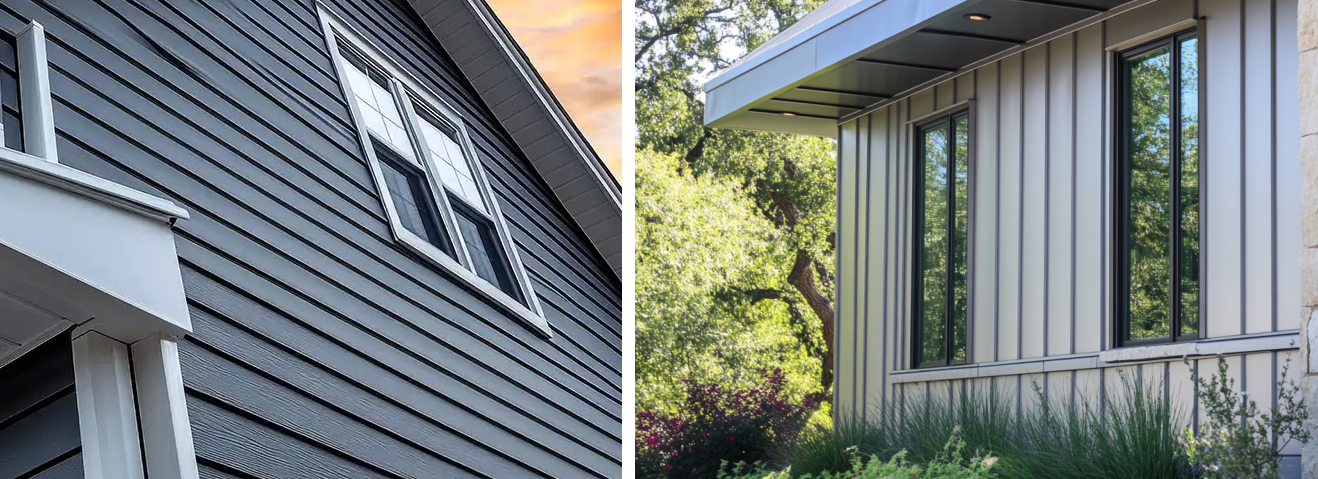
Fiber cement is a heavy-duty composite material crafted from a blend of Portland cement, sand, cellulose fibers, and water. This unique recipe creates a product that mimics the authentic texture and classic look of real wood while delivering the strength of solid concrete.
Unlike fragile vinyl that can rattle in high winds, fiber cement feels substantial. It gives a house a grounded, permanent feel that immediately elevates your curb appeal. Because it is molded with deep wood-grain patterns, most people passing by your home will never know it is not real timber. It offers the traditional charm of a historic Nebraska farmhouse without any of the structural headaches that come with aging wood.
What Are the Main Advantages of Choosing Fiber Cement?
How does fiber cement protect your home from harsh elements?
When you live in Nebraska, your home needs to be built like a fortress to handle the volatile weather patterns. Fiber cement shines brightest when the weather is at its worst. Here are the primary reasons why local homeowners choose this material:
- Unmatched Storm and Hail Resistance: Omaha summers frequently bring severe thunderstorms and heavy hail. Fiber cement is highly impact-resistant, meaning it can take a beating from flying debris and hail that would easily crack vinyl or bruise aluminum.
- Non-Combustible Fire Safety: This material carries a Class A fire rating. It does not ignite or feed a flame, giving your family a critical layer of protection during an emergency.
- Zero Appetite for Pests: Wood-boring insects, woodpeckers, and mice can wreak havoc on wood siding. Because fiber cement is mostly rock, pests lose all interest in your walls.
- Resilience to Temperature Swings: Nebraska goes from sub-zero winters to triple-digit summers. Fiber cement expands and contracts minimal amounts during these intense shifts, preventing your seams from opening up or warping.
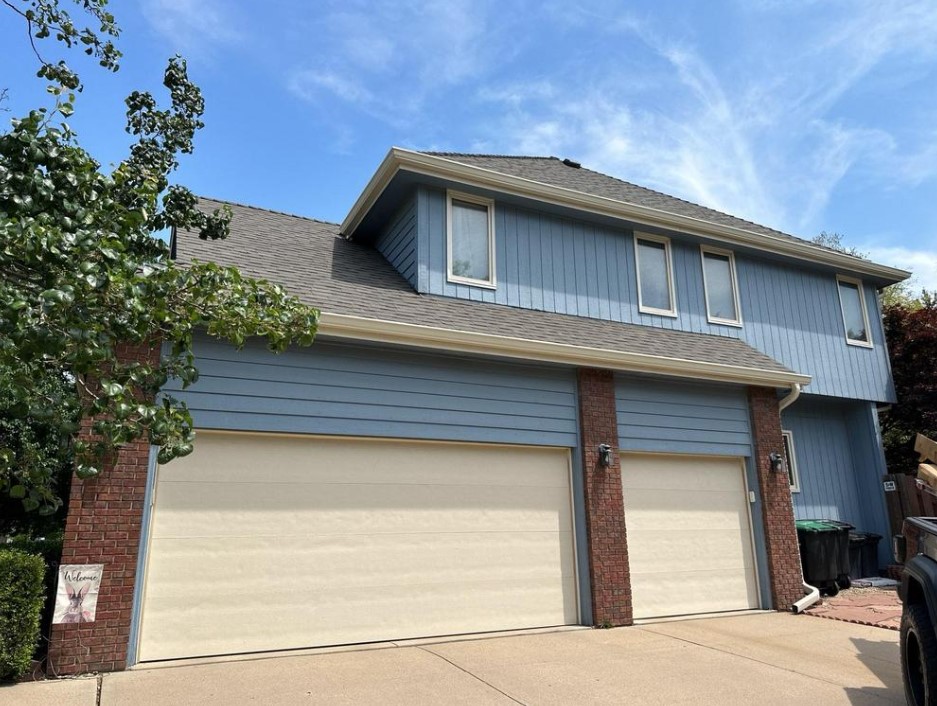
What Are the Drawbacks You Need to Consider?
What are the disadvantages of installing fiber cement siding?
No building material is absolutely perfect, and fiber cement does require a few trade-offs. The most significant consideration for most homeowners is the upfront cost. Because the planks are heavy and require specialized tools to cut and fasten, the installation process is labor-intensive and demands a highly skilled crew. You cannot simply slap this siding up over a weekend as a DIY project.
Additionally, while it is incredibly low-maintenance compared to real wood, factory-painted fiber cement will eventually need a fresh coat of paint after fifteen to twenty years. It is a long-term investment that pays off over decades, but it does require more capital out front than standard vinyl options.
How Does It Measure Up Against Other Common Materials?
How does fiber cement compare to vinyl and natural wood?
When you stack fiber cement against vinyl, the differences come down to durability versus cost. Vinyl is inexpensive and fast to install, but it can become brittle in freezing temperatures, melt near a backyard grill, and fade noticeably in the sun. Fiber cement stays rigid, holds paint beautifully, and lasts twice as long.
When compared to natural wood siding, fiber cement delivers the same gorgeous aesthetic without the endless cycle of scraping, staining, and sealing every few years. Wood is beautiful but highly vulnerable to moisture rot and termites. Fiber cement gives you that classic look while completely eliminating the threat of rot, making it the clear winner for busy homeowners who prefer spending weekends with family rather than holding a paintbrush.
What Does the Installation Process Involve?
Why is professional installation absolutely critical for this material?
Installing fiber cement is a precise craft that leaves very little room for error. Because the material is heavy and rigid, improper handling can cause the planks to crack before they even make it onto your walls. A professional team must use specialized saw blades, correct fastening techniques, and proper flashing to keep moisture out.
Furthermore, major manufacturers like James Hardie maintain strict installation guidelines. If a contractor cuts corners or uses the wrong nails, the manufacturer can completely void your warranty. Working with an experienced team ensures that your investment is fully protected by the brand's long-term guarantees. You can read more about industry standards and material testing on the official International Association of Certified Home Inspectors website to understand why correct installation matters so much.
How Do You Keep Your Siding Looking Brand New?
What kind of ongoing maintenance does fiber cement require?
Maintaining fiber cement is remarkably straightforward and will not eat up your free time. Once or twice a year, it is a good habit to walk around your home and spray down the walls with a standard garden hose to wash away dust and dirt. Avoid using high-pressure power washers, as extreme water pressure can damage the paint finish.
You should also keep an eye on the caulking around your windows, doors, and trim joints over the years. If you notice any caulking beginning to crack or shrink, replacing those small seals quickly will prevent moisture from creeping behind the boards. To learn more about proper home exterior care, you can explore the maintenance guidelines provided by the National Association of Home Builders.
Real Questions from Local Homeowners
Does fiber cement siding increase the resale value of a home?
Yes, it absolutely does. Upgrading your exterior with high-quality fiber cement consistently ranks as one of the top home improvement projects for return on investment. Buyers recognize the value of a durable, low-maintenance exterior, which can make your home sell faster and command a higher asking price.
Can you install fiber cement siding during a Nebraska winter?
Yes, fiber cement can be installed during the colder months, unlike vinyl which becomes too brittle to cut safely in freezing weather. However, if the planks require field painting, that specific step must wait until temperatures rise above freezing so the paint cures correctly.
Is fiber cement an environmentally friendly choice for your home?
It is considered a highly sustainable option. The materials used to create it are natural, abundant, and completely non-toxic. Because it lasts for many decades, it reduces the demand for raw lumber and keeps old vinyl out of landfills.
Let us Protect Your Omaha Home Together
How can Bishop Exteriors help you upgrade your home?
Investing in new siding is a big decision, and you deserve a team that treats your home with the respect it deserves. At Bishop Exteriors, we understand the unique challenges that Nebraska weather throws at your property. We specialize in providing top-tier craftsmanship and transparent communication from the very first phone call to the final cleanup.
If you are ready to eliminate the stress of constant exterior maintenance and give your house a beautiful, storm-resistant upgrade, we are here to guide you every step of the way. You can learn more about our team and our commitment to quality, or check out our full range of roofing and siding services designed to keep your home safe. Do not wait for the next severe storm to test your old siding. Reach out to us today through our contact page to schedule your free estimate and give your Omaha home the protection it deserves.
Recent Articles
Residential Siding
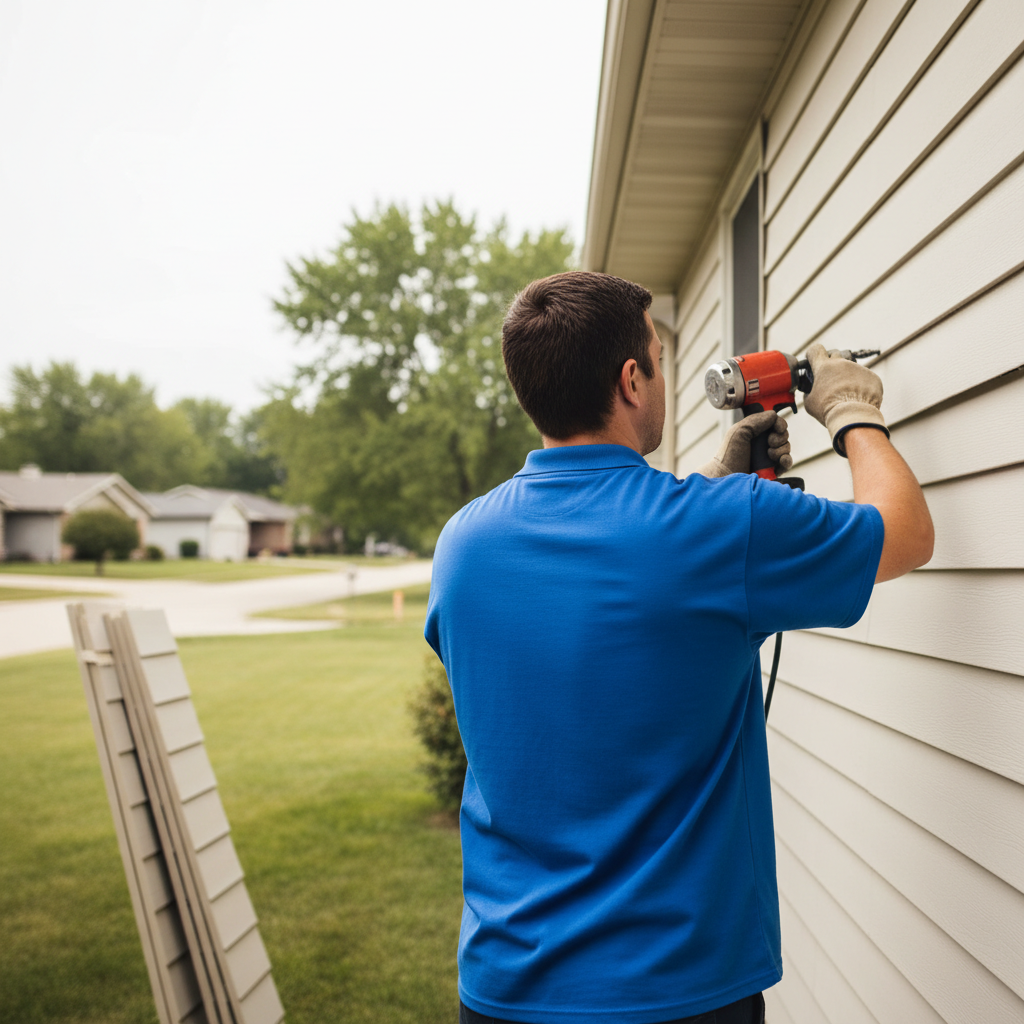
Siding Repair in Omaha: When to Repair vs. Replace
Cracked, faded, or storm damaged siding leaves many Omaha homeowners wondering whether to repair or replace. This guide walks through the signs, the trade offs, and how to decide.
September 4, 2026
Residential Siding
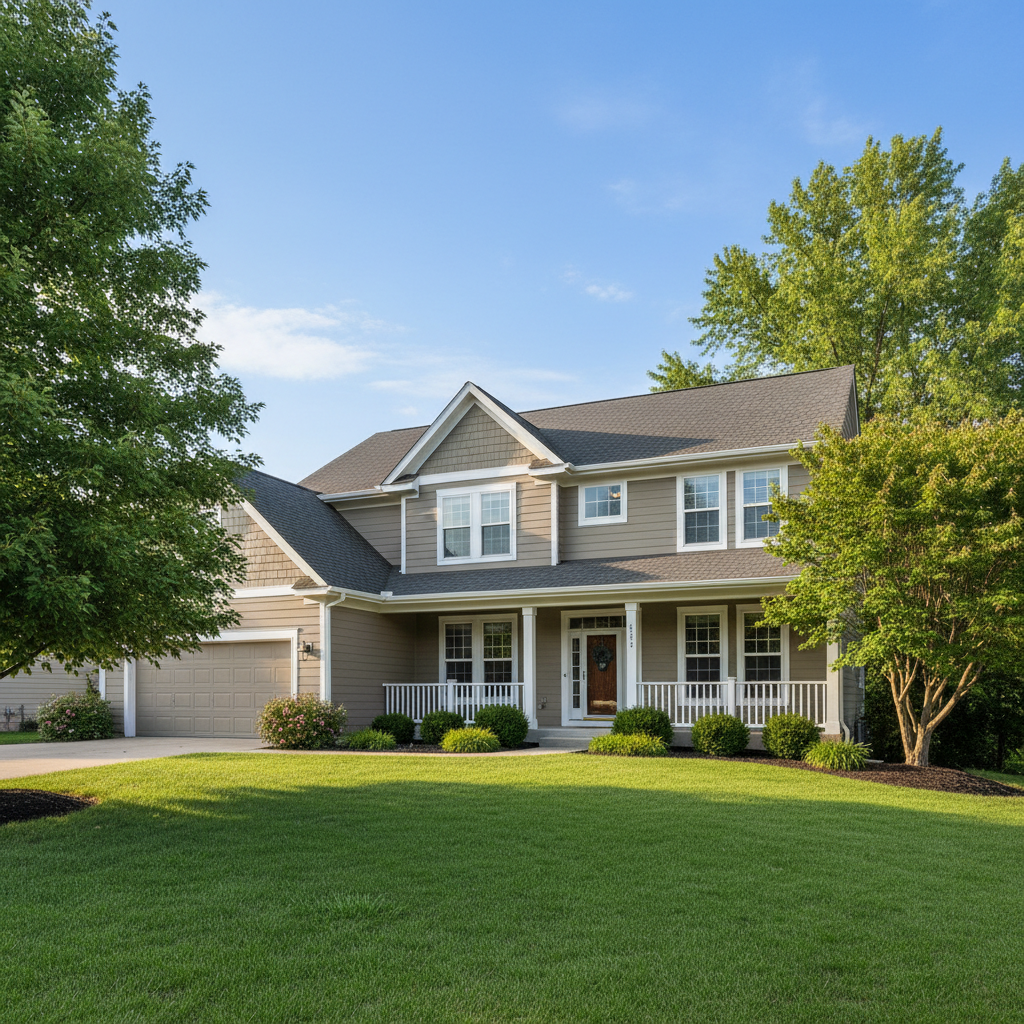
James Hardie vs LP SmartSide: Choosing Siding for Your Omaha Home
James Hardie fiber cement and LP SmartSide engineered wood are two of the toughest siding options for Omaha homes. Here is how they compare on durability, looks, maintenance, and cost.
September 4, 2026
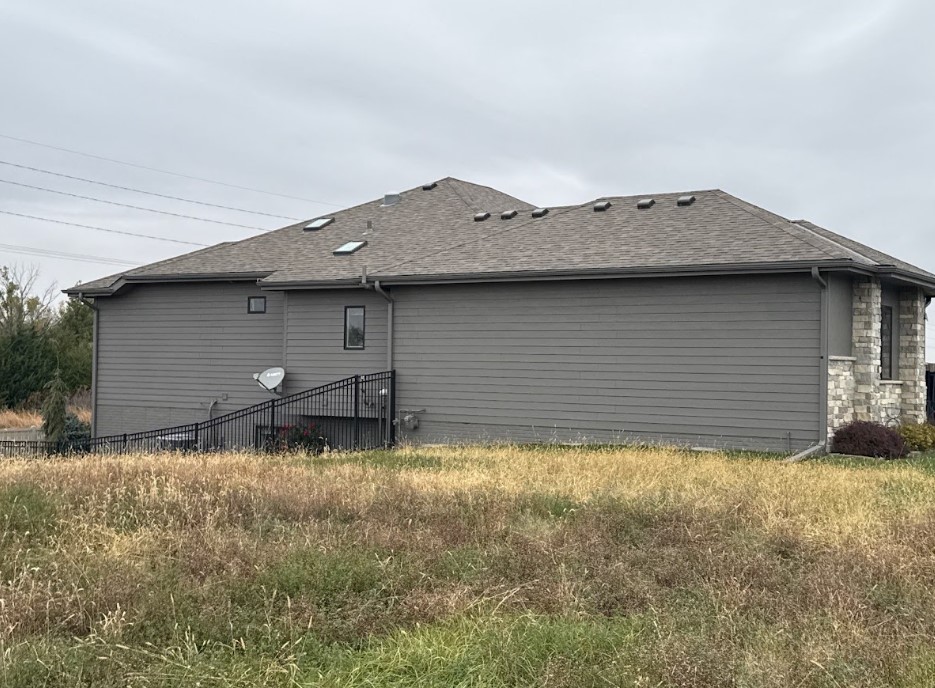
How Well Does James Hardie Siding Stand Up to Nebraska Hailstorms?
August 14, 2026
James Hardie vs Metal Siding | 2026 Midwest Performance Comparison
August 4, 2026