
How Well Does James Hardie Siding Stand Up to Nebraska Hailstorms?
August 14, 2026
•
Written By
Bishop Exteriors
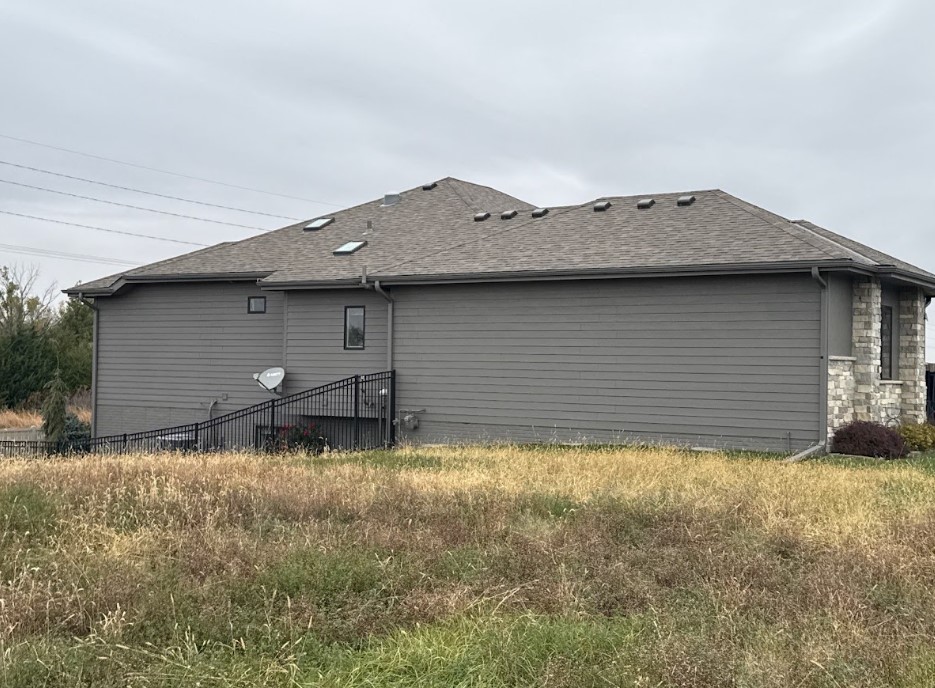
Living in Nebraska means knowing that when spring rolls around, the sky can turn dark in a matter of minutes. Severe weather comes with the territory, bringing high winds, driving rain, and ice pellets flying sideways at 60 miles an hour. If you have ever stood on your porch after a severe storm and looked at cracked vinyl, dented aluminum, or chipped paint, you know how stressful exterior damage can be. Your house is likely the biggest investment you will ever make, and the exterior walls are all that stand between your living room and severe weather.
When severe weather rolls through the Plains, standard exterior materials often take a beating. That is why so many property owners are looking at fiber cement options like James Hardie planking. But how does this material actually perform when golf-ball-sized ice rains down on your neighborhood? Below is a clear look at how fiber cement handles violent impacts, how it compares to alternative materials, and what it takes to keep your house protected year after year.
Essential Insights on Hail Defense for Nebraska Homes
- James Hardie fiber cement combines sand, Portland cement, and cellulose fibers to create a dense plank that absorbs heavy impacts without cracking or denting.
- Unlike vinyl cladding, which grows brittle in freezing temperatures, fiber cement maintains structural strength during winter thaws and spring hailstorms.
- Proper installation by trained professionals ensures proper spacing and blind-nailing, preventing wind-driven ice from getting behind panels.
- Fiber cement holds a Class A fire rating and handles severe storm conditions up to 130 mile-per-hour winds without warping or separating.
- Upgrading to hail-resistant siding can lower long-term maintenance costs and prevent frequent insurance claims after severe weather events.
Why Does Material Composition Matter When Ice Hits Your House?
The Science Behind Fiber Cement Density Protects Walls from Severe Impacts
When ice falls from the atmosphere, damage comes down to mass, speed, and how well a building material absorbs energy. Lightweight materials like vinyl or thin aluminum bend or crack under pressure. Fiber cement reacts differently because of its physical makeup.
James Hardie siding is built from a dense mixture of sand, Portland cement, water, and cellulose wood fibers. This composite structure creates a heavy, thick board that disperses impact energy across the surface rather than concentrating it at a single point. You can learn more about how James Hardie fire and impact resistance testing prepares boards for extreme weather conditions.
To get a better sense of how different exterior options compare during a storm, review our comprehensive breakdown of residential siding services designed for Midwestern homes.
Because the color is baked directly into the board using factory-applied coatings, minor surface strikes do not leave large, ugly blemishes. While soft materials chip, dent, or puncture, fiber cement absorbs the blow, keeping your home envelope completely intact.
How Does James Hardie Compare to Other Siding Types in a Storm?
Fiber Cement Outperforms Traditional Materials Across Multiple Storm Factors
Every siding material reacts differently when heavy ice and high winds hit your exterior walls. Understanding these differences helps you make an informed decision for long-term protection:
- Vinyl Siding: Becomes very brittle in cold weather. When ice strikes cold vinyl, the panels can shatter, split, or punch through, leaving the wooden wall framing exposed to water damage.
- Aluminum and Steel Siding: Resists punctures and water penetration, but metal panels dent easily. A single storm can leave metal panels looking like the surface of the moon, requiring complete replacement to restore appearance.
- Engineered Wood: Offers good impact strength, but if ice knocks off the outer paint layer, moisture can seep into the wood fibers, causing swelling, edge rot, and mold over time.
- James Hardie Fiber Cement: Stands firm against severe impacts without denting or splitting. It does not rot when exposed to lingering ice, and it resists moisture penetration even if severe weather lingers for days.
For broad storm preparedness data and historical storm trends across the region, check out official NOAA storm event database records to see how local weather patterns develop over time.
When you look at the total picture, fiber cement delivers a balance of impact absorption, fire safety, and moisture defense that fragile vinyl or soft metal cannot match.
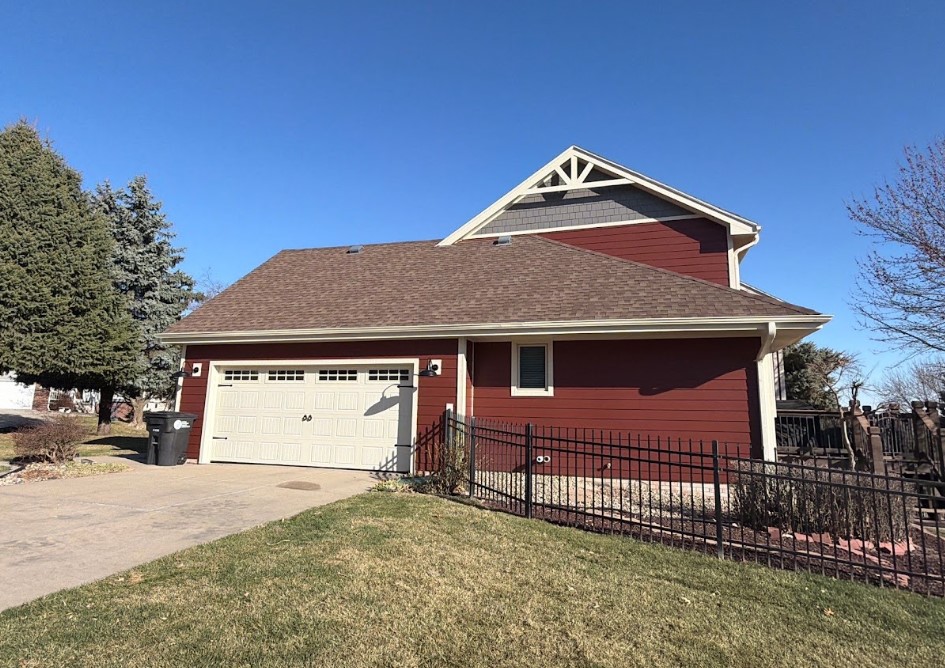
Does Siding Installation Quality Affect How Well It Resists Storms?
Expert Craftsmanship and Proper Fastening Keep Siding Anchored in High Winds
Even the strongest material on the market will fail if it is fastened incorrectly. When severe weather hits, strong wind gusts create pressure shifts that try to lift boards right off the framing.
When installing fiber cement, installers must place fasteners at exact intervals into structural studs. They must also install proper flashing around windows, doors, and corner posts. To learn more about our commitment to proper craftsmanship, read about Bishop Exteriors and our local, family-owned approach.
When installers follow manufacturer specifications, fiber cement boards lock down tightly to form an interlocking barrier. That means 130 mile-per-hour wind gusts cannot lift the edges, preventing ice from wedging behind the planks. Proper installation ensures your warranty stays fully valid when you need it most.
Real Questions Property Owners Ask About Siding and Storm Damage
Can Large Hail Break James Hardie Siding?
While no building material is entirely indestructible against extreme weather, fiber cement handles severe ice strikes better than vinyl, aluminum, or wood. It takes unusually large, direct hits to chip a fiber cement board, whereas that same storm would easily puncture vinyl or severely dent metal.
Will Insurance Cover Fiber Cement Siding Damage After a Storm?
Yes, most homeowner insurance policies cover storm damage caused by ice or falling debris. Because fiber cement holds up so well, many homeowners experience fewer claims overall, and some insurance providers offer premium discounts for installing impact-resistant materials.
How Does Cold Weather Affect Siding Repairs?
Vinyl siding often cannot be repaired safely during cold winter months because the surrounding panels shatter when moved. Fiber cement remains stable in freezing temperatures, allowing professional crews to perform repairs or partial replacements safely regardless of the season.
Shield Your Investment with Storm-Tested Siding from Bishop Exteriors
When dark clouds roll across the Plains, you should feel confident that your house can take whatever Mother Nature throws at it. James Hardie fiber cement gives you peace of mind, combining real-wood beauty with structural strength that resists ice, fire, wind, and rot year after year.
At Bishop Exteriors, we treat every home like it belongs to our own family. As a local team, we know what local storms can do, and we make sure every board, nail, and piece of flashing is installed to the highest standard. We walk you through the process, answer your questions without pressure, and build an exterior that stands the test of time.
If you are tired of worrying about storm damage or want to inspect your home after a recent storm, we are here to help. Contact Bishop Exteriors in Omaha, Nebraska today for a free, honest estimate and expert advice on protecting your home.
Recent Articles
Residential Siding
Siding Repair in Omaha: When to Repair vs. Replace
Cracked, faded, or storm damaged siding leaves many Omaha homeowners wondering whether to repair or replace. This guide walks through the signs, the trade offs, and how to decide.
September 4, 2026
Residential Siding
James Hardie vs LP SmartSide: Choosing Siding for Your Omaha Home
James Hardie fiber cement and LP SmartSide engineered wood are two of the toughest siding options for Omaha homes. Here is how they compare on durability, looks, maintenance, and cost.
September 4, 2026
How Well Does James Hardie Siding Stand Up to Nebraska Hailstorms?
August 14, 2026
James Hardie vs Metal Siding | 2026 Midwest Performance Comparison
August 4, 2026