
Can You Install Siding in Winter? What Omaha Homeowners Should Know
October 23, 2026
•
Written By
Bishop Exteriors

Yes, you can install siding in winter across the Omaha metro, and in many cases it is a smart time to do it. Modern materials like James Hardie fiber cement are designed to be handled in cold conditions, and an experienced crew can safely replace siding through most of a Nebraska winter as long as the weather and jobsite are managed correctly. The real questions are not whether it is possible, but when it makes sense, what temperatures change the plan, and how to protect your home during the project.
If your siding is cracked, warped, or letting cold air leak into your walls, waiting until spring can mean months of higher energy bills and ongoing water intrusion. Below, we walk through exactly how installing siding in winter works in the Omaha area, the trade-offs to weigh, and how we keep cold-weather projects on schedule.
Key Takeaways
- Installing siding in winter is possible and common in Nebraska, especially with James Hardie fiber cement, which handles cold far better than most vinyl products.
- Most siding work continues down into the 20s and low 30s Fahrenheit, but sustained deep cold, ice, and heavy snow are the real limits, not the calendar date.
- Winter siding installation often means shorter waitlists, faster scheduling, and sealing your home against drafts before the coldest stretch of the year.
- The biggest cold-weather factors are caulk and sealant cure times, limited daylight, and safe footing, all of which a seasoned local crew plans around.
Can You Install Siding in Winter in Nebraska?
For Omaha homeowners, the short answer is that cold weather rarely stops a siding project on its own. Fiber cement, engineered wood, and even many vinyl systems can be cut, fastened, and sealed in temperatures well below freezing when the crew adjusts its methods. What matters is consistency: a stretch of dry, calm days in the 20s and 30s is often better working weather than a damp, windy afternoon in early spring.
The Omaha and Council Bluffs region sees real winter, with freezing temperatures and snow stretching from roughly late November into March, according to the National Weather Service office in Valley, Nebraska. That climate is exactly why durable, correctly installed siding matters here, and why the off-season has become a practical window for homeowners who do not want to wait in line during the busy spring and summer months. We regularly complete winter projects for homeowners in Council Bluffs and the surrounding communities.
How Cold Is Too Cold for Siding Installation?
There is no single magic number, because the answer depends on the product and the conditions. As a general guide, most crews keep installing siding comfortably down into the mid-20s Fahrenheit. Below that, work can still continue, but it slows down and requires more care with materials and adhesives.
This is one of the places where material choice really matters. James Hardie fiber cement siding stays dimensionally stable in the cold and does not get brittle the way some vinyl siding can when temperatures drop. Vinyl can become fragile and prone to cracking in deep cold, so if your home has older vinyl, winter removal has to be handled gently. Fiber cement, by contrast, is one of the main reasons cold-weather installation is so dependable in the Midwest.
The bigger limits are usually ice and precipitation rather than temperature alone. Crews will not fasten siding to a wall that is covered in frost or ice, and active snowfall pauses work for safety and quality. A good contractor watches the forecast and sequences the project around clear days rather than forcing work in unsafe conditions.
What Are the Benefits of Installing Siding in Winter?
Winter is the slow season for exterior remodeling, and that works in a homeowner's favor in several ways.
- Faster scheduling. Spring and summer calendars fill quickly. In the colder months, lead times shrink, so you can often get on the schedule sooner and have the project wrapped up faster.
- Immediate protection. If your current siding is failing, every week of delay lets more cold air and moisture reach your walls. Replacing it now seals the envelope before the harshest part of winter.
- Energy savings sooner. New siding paired with fresh house wrap and proper flashing cuts drafts. Installing in winter means you feel that comfort improvement during the season when it matters most.
- Ready for spring. Finishing exterior work in winter means your home looks its best and is fully protected before spring storm season arrives.
For many homeowners, the decision comes down to whether their siding can realistically wait. If boards are loose, rotting, or already letting water in, a winter siding replacement is almost always the better choice than nursing a failing exterior through several more months of freeze and thaw.
What Challenges Come With Cold-Weather Siding Installation?
Cold-weather projects are very doable, but they are not identical to a job in June. Being honest about the trade-offs helps you set the right expectations.
Caulk and sealant cure times
Many sealants cure more slowly in the cold, and some are not rated for application below a certain temperature. An experienced crew selects cold-weather-rated products and times sealing for the warmest part of the day so joints and penetrations bond correctly.
Shorter daylight hours
Winter days are short, which means fewer productive working hours. A project that might take three days in summer can stretch a little longer in December, so good crews plan the schedule realistically rather than rushing to finish in the dark.
Snow, ice, and footing
Safety is non-negotiable. Icy ground and frosted walls pause work until conditions are safe, and crews keep the jobsite clear so your property stays protected. This is also why local experience matters: a crew that works through Nebraska winters every year knows how to read the forecast and keep the project moving between weather systems.
Protecting your home during the project
Because walls are opened up in sections, a careful crew removes and replaces siding in manageable areas rather than exposing the whole home at once. That keeps your house insulated and dry throughout the installation, even on cold days.
How We Approach Winter Siding Projects
At Bishop Exteriors, we are a family-owned, James Hardie Preferred Contractor serving the Omaha metro, and we treat cold-weather installs with the same standards as any other time of year. That starts with clear, consistent communication so you always know what is happening and when. Before a winter project begins, we review the forecast with you and set a realistic timeline that accounts for daylight and weather, rather than promising a summer-speed finish in January.
During installation, we protect the home by working in sections, use materials and sealants rated for the temperatures we are working in, and keep the site clean and safe between weather windows. Because we install James Hardie fiber cement as our primary siding, our crews are experienced with the cold-weather handling these products are built for. Every project is backed by strong manufacturer and workmanship warranties, and we offer honest guidance without pressure, whether you need the work done now or can comfortably wait. Homeowners planning siding installation in Gretna and nearby towns get the same care and craftsmanship no matter the season.
Should You Wait Until Spring Instead?
Winter installation is not the right call for every home, and we will tell you so honestly. If your existing siding is in good shape and simply dated, there is no urgency, and scheduling for spring is perfectly reasonable. But if you are dealing with active water intrusion, visible rot, storm damage, or siding that is clearly failing, waiting can let a manageable problem turn into a structural one.
A quick way to decide: if your siding can keep water out and hold up through a few more months of freeze and thaw, spring is fine. If it cannot, professional siding installation this winter protects your home and your budget. The best next step is a free, no-pressure assessment so you have a clear answer specific to your house.
Frequently Asked Questions About Installing Siding in Winter
Does cold weather affect how well new siding performs long term?
No. When siding is installed correctly with the right cold-weather methods and sealants, it performs exactly the same as siding installed in summer. The key is a crew that adjusts its process for the temperature rather than ignoring it.
Can James Hardie siding be installed in freezing temperatures?
Yes. Fiber cement stays stable in the cold and does not become brittle the way vinyl can, which is a major reason it is a reliable choice for winter installation in Nebraska. Sealing and finishing steps are simply timed and selected for the conditions.
Will winter weather delay my siding project?
It can. Active snow, ice, or extreme cold will pause work for safety and quality, so a winter timeline is built with some flexibility. A local crew that plans around the forecast keeps these delays short and the project moving between weather systems.
Is siding cheaper to install in winter?
Pricing is driven mostly by materials, home size, and labor rather than the season, so you should not expect dramatic winter discounts. The real savings are in scheduling and protection: shorter wait times and sealing your home before the coldest weather, which can reduce heating costs right away.
How long does a winter siding installation take?
Most residential siding projects take several days, and winter jobs can run slightly longer because of shorter daylight and occasional weather pauses. Your contractor should give you a realistic timeline up front that accounts for the season.
Ready to Protect Your Omaha Home This Winter?
If your siding is showing its age or letting the cold in, do not wait until spring to find out how far the damage has spread. Contact Bishop Exteriors today to schedule your free, no-pressure siding estimate and get honest answers about whether a winter installation is right for your home.
Recent Articles
Residential Siding
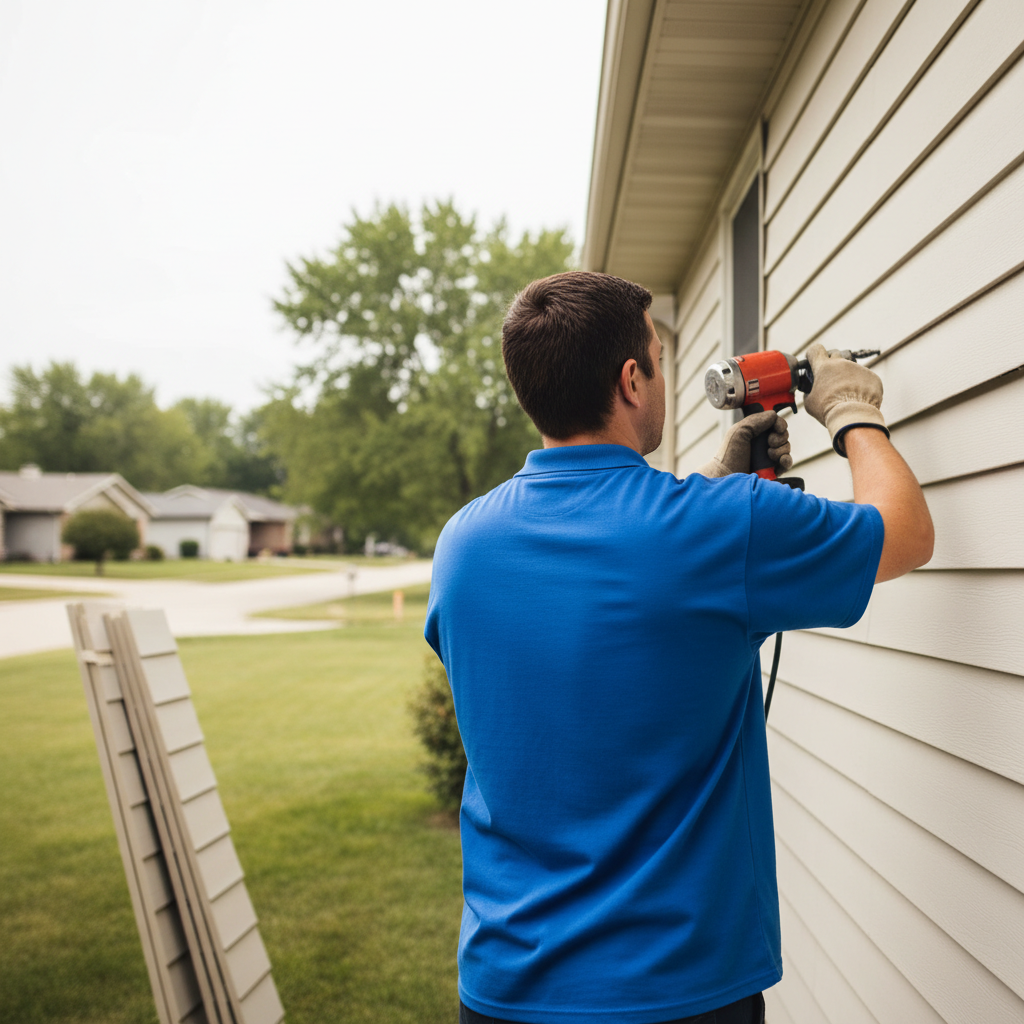
Can You Install Siding in Winter? What Omaha Homeowners Should Know
Installing siding in winter is possible and often smart in the Omaha metro. Here is when cold-weather siding installation makes sense, how temperature affects the job, and when to wait for spring.
October 23, 2026
Residential Siding
Siding Repair in Omaha: When to Repair vs. Replace
Cracked, faded, or storm damaged siding leaves many Omaha homeowners wondering whether to repair or replace. This guide walks through the signs, the trade offs, and how to decide.
September 4, 2026
Residential Siding
James Hardie vs LP SmartSide: Choosing Siding for Your Omaha Home
James Hardie fiber cement and LP SmartSide engineered wood are two of the toughest siding options for Omaha homes. Here is how they compare on durability, looks, maintenance, and cost.
September 4, 2026
How Well Does James Hardie Siding Stand Up to Nebraska Hailstorms?
August 14, 2026