
How Much Does James Hardie Siding Cost in Omaha? A 2026 Price Guide
November 6, 2026
•
Written By
Bishop Exteriors

James Hardie siding cost for a typical Omaha home usually lands somewhere between about $11,000 and $34,000 installed, with most of the difference coming from how much wall area you have, which Hardie product and finish you pick, and how much trim and prep work the house needs. National cost guides put installed Hardie board at roughly $6 to $13 per square foot, and a well-built Omaha project generally sits inside that band once tear-off, house wrap, and trim are counted.
That is a wide range, and it should be. Two homes on the same street can price thousands of dollars apart because one has a simple two-story box shape and the other has gables, a bay window, and wood trim that needs replacing. Below, we break down what actually moves the number, how fiber cement compares to other siding on price, and how to read a quote so you can budget with confidence before anyone measures your walls.
Key Takeaways
- National guides place the average whole-house James Hardie installation between $10,980 and $34,075, or about $6 to $13 per square foot of wall installed.
- Wall area, number of stories, product style (lap, shingle, board and batten, panel), and ColorPlus factory finish versus paint are the biggest price drivers.
- Tear-off of old siding, rotted sheathing repairs, and new trim, soffit, and fascia are often where quotes differ most between contractors.
- James Hardie's HZ5 product line is built for freezing temperatures, snow, and ice, which is a big part of why it holds value in Nebraska.
What Is the Typical James Hardie Siding Cost for an Omaha Home?
For a full replacement on an average Omaha house, plan for a five-figure project. This Old House's 2026 Hardie board cost guide lists an average installation range of $10,980 to $34,075 nationally. Bob Vila's breakdown of the same product, citing HomeGuide data, puts installed Hardie board at $6 to $13 per square foot.
Here is how that per-square-foot range plays out at common sizes, using Bob Vila's published figures:
- 1,000 sq ft of wall area: about $6,000 to $13,000
- 1,800 sq ft of wall area: about $10,800 to $23,400
- 2,500 sq ft of wall area: about $15,000 to $32,500
- 3,000 sq ft of wall area: about $18,000 to $39,000
One important detail: siding is priced by the square footage of your walls, which is usually larger than your home's living space. A 1,600 square foot ranch and a 1,600 square foot two-story can have very different wall areas, so the same "size" home can land in different rows of that list.
In the Omaha metro, labor, material availability, and the age of the housing stock all nudge the final cost of James Hardie siding up or down. Many homes in older neighborhoods have original wood trim or sheathing that needs attention once the old siding comes off, which pushes a project toward the upper part of the range. Newer builds with clean walls and minimal trim often price toward the middle.
What Drives the Price of Hardie Siding?
The biggest factors are the ones you can see from the curb: size, shape, and style. A few less obvious line items also make a real difference in Hardie siding cost.
Wall area and number of stories
More wall means more material and more labor. Second and third stories add staging, ladders or lifts, and slower work, so a tall home costs more per square foot than a single-story home of similar wall area.
Product style
HardiePlank lap siding is the most common and usually the most budget-friendly Hardie option. HardieShingle, board and batten, and HardiePanel vertical siding add visual interest and typically cost more because of extra material, detail work, and installation time. Many Omaha homes mix two styles, such as lap siding on the main walls with shingle accents in the gables.
ColorPlus finish versus field painting
James Hardie's ColorPlus Technology is a factory-applied, baked-on finish. It generally costs more up front than primed boards, but it skips the separate on-site painting step and its labor. Primed boards painted after installation give you unlimited color choices, with a painting cost added to the project.
Trim, soffit, and fascia
Window and door trim, corner boards, soffit, and fascia are usually priced separately from the main siding. Replacing them at the same time keeps the whole exterior matched and sealed, and it is often where one quote looks cheaper than another simply because less was included.
Tear-off and wall repairs
Removing and disposing of old siding adds cost, and so does anything found underneath. Soft or rotted sheathing, missing house wrap, or poor flashing around windows all need to be corrected before new siding goes on. A careful contractor prices a contingency for this or explains how hidden repairs will be handled.
How Does Fiber Cement Siding Cost Compare With Other Options?
Fiber cement siding cost sits in the middle-to-upper part of the residential market. It typically runs higher than vinyl, close to or above engineered wood, and below premium natural materials like cedar or stone veneer. The national figures above put Hardie well above most vinyl installs, and the upfront gap is real.
Where fiber cement earns its price is durability and low maintenance. It does not melt or warp near a grill, it resists woodpeckers and pests, and it holds paint well. Engineered wood is another strong option for Nebraska homes, and if you want to weigh the two side by side, our team also installs LP SmartSide engineered wood siding and can quote both on the same visit.
The honest answer on which is "cheaper" depends on how long you plan to stay in the home, because the true James Hardie siding cost includes years of upkeep you avoid. If you are selling in two years, the lowest upfront price may make sense. If you plan to stay ten years or more, the longer service life and lower upkeep of fiber cement often close much of that gap.
Why Is Hardie Worth Budgeting For in Nebraska's Climate?
Omaha winters bring freezing temperatures, snow, and ice from roughly late fall into early spring, as the National Weather Service office for Omaha and Valley tracks every season, and summers bring heat and severe storms. That swing is hard on siding. Materials that absorb moisture, become brittle in the cold, or expand and contract heavily tend to crack, warp, or loosen over time.
James Hardie builds its products for specific climates. According to James Hardie's HardieZone System, the HZ5 product line is engineered for climates with freezing temperatures, extreme seasonal temperature swings, and snow and ice. That climate-specific design is a big reason the cost of James Hardie siding tends to hold its value here compared with materials that need repair or replacement sooner.
Homeowners across the metro, including families investing in James Hardie siding in Elkhorn, often choose fiber cement for exactly this reason: they want an exterior that handles a Nebraska winter without constant maintenance.
How Should You Compare James Hardie Quotes?
Two quotes for the same house can show a very different James Hardie siding cost because contractors include different things. Comparing them line by line protects you from a low number that leaves out important work. Use these steps when you sit down with two or three estimates:
- Confirm the wall area. Each quote should be based on similar square footage. A big gap here usually means someone measured differently or skipped areas.
- Match the product and finish. Check that each estimate lists the same Hardie product line, style, and whether it is ColorPlus or primed and painted.
- Look for tear-off and disposal. Make sure removal of the old siding and haul-away are included, along with how rotted sheathing will be handled and priced.
- Check the weather barrier and flashing. New house wrap and proper window and door flashing are essential to a long-lasting install.
- Review trim, soffit, and fascia. Confirm what is being replaced and what is being left in place.
- Ask about installer credentials and warranty. Fiber cement has specific installation requirements, and the manufacturer's warranty depends on following them. Ask for the written product and workmanship warranty terms.
Following these steps works the same whether your home is in central Omaha or out in Bellevue, where we install James Hardie siding for families across Sarpy County.
What Does a Hardie Project With Bishop Exteriors Look Like?
Bishop Exteriors is a family-owned, Nebraska-licensed exterior contractor that has served the Omaha metro since 2018. We are a James Hardie Preferred Contractor, GAF Certified, and BBB A+ accredited, and fiber cement is the core of what we do. If you want a closer look at the product lines and colors we install, start with our James Hardie siding installation in Omaha.
Every project follows the same five steps, adapted here for a Hardie siding job:
- First Contact. You reach out, and we talk through your goals, timeline, and whether you are leaning toward lap, shingle, or a mix of styles.
- Free Estimate. We visit, measure your actual wall area, check trim and sheathing condition, and give you a clear written estimate with no pressure to commit.
- Skilled Installation. Our crew installs new house wrap, flashing, and Hardie siding to the manufacturer's specifications, which protects your warranty.
- Thorough Clean-Up. We remove old material, sweep for nails, and finish with a full site cleanup and final inspection.
- Long-Term Support. After the job, we stay available for questions and back the work with strong warranties.
If your current siding is failing and you are weighing a full tear-off, our siding replacement services cover everything from removal through final trim.
Frequently Asked Questions About James Hardie Siding Cost in Omaha
Does ColorPlus cost more than painting Hardie siding after installation?
Usually, yes, up front. ColorPlus boards carry a higher material price because the finish is applied and baked on at the factory. Primed boards cost less to buy but need a separate painting step after installation, which adds labor. Many homeowners find the two options land closer in total cost than they expect once painting is included.
Is removing the old siding included in a Hardie siding quote?
It should be, but always confirm. A complete quote lists tear-off, disposal, and how any damaged sheathing will be repaired and priced. Installing fiber cement over old siding is generally not recommended, since a clean, flat wall with a proper weather barrier is part of what makes the system perform.
Can I finance a James Hardie siding project?
Yes. Bishop Exteriors offers financing options for siding projects, which lets many homeowners choose the product and finish they actually want and spread the cost over time. We can walk through options during your free estimate.
Will insurance pay for new Hardie siding after hail damage?
It depends on your policy and the documented damage. When a storm damages existing siding, many policies cover repair or replacement, and the insurer decides what qualifies. We help homeowners document storm damage to siding and roofing and give honest guidance on the claim, without pressure.
Why do James Hardie quotes vary so much between contractors?
Most differences come from scope: wall area measured, product style, ColorPlus versus paint, trim and soffit work, and how wall repairs are handled. Installer training also matters, since Hardie has specific installation requirements. Comparing quotes line by line usually explains the gap.
Get a Real Number for Your Home
Online ranges are a starting point, and your walls, trim, and finish choices set the real price. Schedule your free James Hardie siding estimate with Bishop Exteriors today and get a clear, no-pressure quote for your Omaha home.
Recent Articles
Residential Siding
How Much Does James Hardie Siding Cost in Omaha? A 2026 Price Guide
What does James Hardie siding cost in Omaha? See real installed price ranges, the factors that move the number, and how to compare quotes line by line.
November 6, 2026
Residential Siding
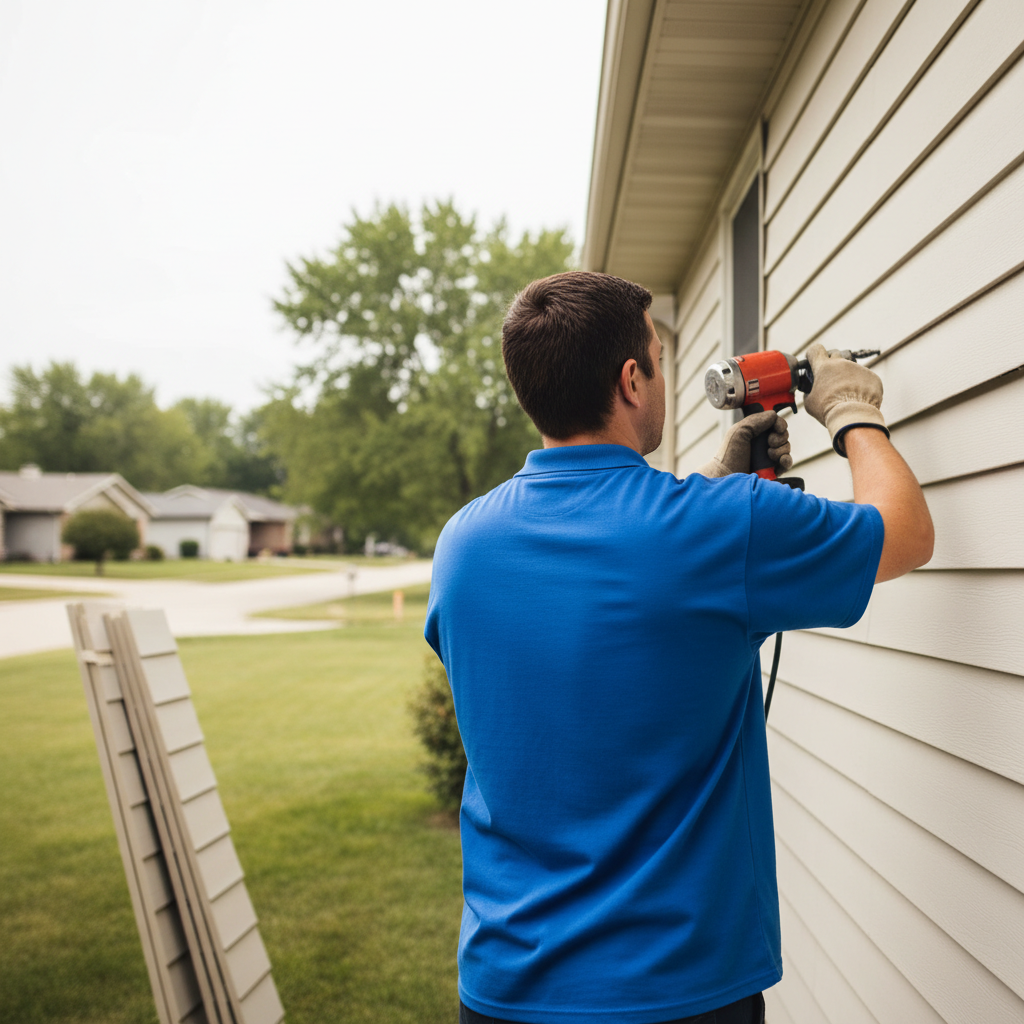
Can You Install Siding in Winter? What Omaha Homeowners Should Know
Installing siding in winter is possible and often smart in the Omaha metro. Here is when cold-weather siding installation makes sense, how temperature affects the job, and when to wait for spring.
October 23, 2026
Residential Siding
Siding Repair in Omaha: When to Repair vs. Replace
Cracked, faded, or storm damaged siding leaves many Omaha homeowners wondering whether to repair or replace. This guide walks through the signs, the trade offs, and how to decide.
September 4, 2026
Residential Siding
James Hardie vs LP SmartSide: Choosing Siding for Your Omaha Home
James Hardie fiber cement and LP SmartSide engineered wood are two of the toughest siding options for Omaha homes. Here is how they compare on durability, looks, maintenance, and cost.
September 4, 2026