
Is James Hardie Siding Worth It in 2026? A Nebraska Homeowner’s Guide
July 17, 2026
•
Written By
Bishop Exteriors

When you're looking around your neighborhood and noticing that your home's exterior is starting to show its age, choosing the right replacement material can feel like a difficult decision. You've probably heard people talk about James Hardie fiber cement siding as the gold standard for durability, but you're also wondering if the price tag actually matches the performance. Nebraska weather isn't for the faint of heart, bringing everything from freezing winter deep freezes and heavy spring hailstorms to scorching summer heat waves that can warp lesser materials overnight.
If you're tired of dealing with peeling paint, cracked vinyl, or rotting wood, you aren't alone. Homeowners across the Omaha Metro area are asking whether investing in fiber cement is truly worth it for their properties, especially when planning for long-term protection. At Bishop Exteriors, we believe in giving you straight answers, transparent pricing, and practical guidance so you can make the best choice for your family's investment without any high-pressure sales pitches. Let's break down the real costs, the performance facts, and what you can expect when choosing this premium siding for your home.
Key Takeaways
- Material Strength: James Hardie blends Portland cement, sand, and cellulose fibers to create a rigid, heavy-duty shield against harsh Midwest elements.
- Cost vs. Value: While fiber cement carries a higher upfront cost than vinyl, its 30-to-50-year lifespan delivers exceptional long-term return on investment.
- Installation Precision: Professional, manufacturer-trained installation is essential to guarantee proper flashing and secure moisture protection.
Why Nebraska Weather Demands Better Siding Performance
If you've lived through a few Midwest seasons here, you know our local climate doesn't ease up on your home. One part of the year brings biting sub-zero temperatures, and before long, you're dealing with wind, rain, and hail that can test just about anything on the outside of your house. That's why finding the best siding for older homes in Nebraska comes down to material resilience. Traditional vinyl tends to become brittle and crack during severe winter cold snaps, while wood siding can absorb moisture, swell, and rot over time. Fiber cement is engineered specifically to handle these aggressive temperature swings without breaking down, giving local homeowners a dependable defense system.
Important Factors When Evaluating James Hardie Cost vs. Value
When you're trying to determine if James Hardie is worth it for your property, looking at the numbers and practical variables side by side helps clarify the decision:
- Upfront Investment: Fiber cement requires a higher initial budget than traditional vinyl or low-end wood options due to its specialized composition and weight.
- Lifespan Expectancy: Properly installed and maintained systems can easily protect your home for 30 to 50 years, significantly reducing frequent replacement cycles.
- Maintenance Freedom: Baked-on ColorPlus Technology resists fading, chipping, and peeling, drastically reducing the need for constant repainting.
- Insurance and Resale Benefits: Durable, non-combustible exterior protection can boost your property value and curb appeal while satisfying strict modern underwriting rules.
Comparing Siding Materials for Nebraska Homes
Evaluating how different materials stack up against each other puts the long-term performance of fiber cement into a clearer perspective:
- Vinyl Siding: Typically lasts 20 to 30 years, offering a budget-friendly upfront price, but it tends to warp in extreme heat and crack in deep freezes.
- Wood Siding: Lasts 15 to 30 years, providing a classic aesthetic, but requires constant upkeep, staining, and protection against rot and insects.
- Aluminum Siding: Lasts 20 to 40 years, though it remains highly prone to unsightly dents from severe hail and storm debris.
- Fiber Cement Siding: Lasts 30 to 50 years, engineered specifically to resist moisture, extreme temperature swings, and severe weather impacts.
What Real Homeowners Experience After Installation
Homeowners who choose fiber cement often notice immediate changes in their daily living environment. Because the boards are thick and solid, they help block outside noise much better than thin vinyl ever could. The exterior feels substantial, almost like brick, and doesn't rattle or shift when high winds sweep across the plains. Furthermore, knowing that the material is fire-resistant, pest-proof, and capable of holding a rich factory finish for over a decade gives families a deep sense of security.
Summary Verdict
- Best Prevention Step: Schedule a professional exterior assessment and confirm your contractor follows strict manufacturer installation guidelines.
- Most Common Issues: Improper flashing leading to moisture intrusion, or pneumatic nailers set too deep during uncertified installations.
- Biggest Warning Sign: Visible panel separation, soft spots near ground contact, or chipping paint that exposes the raw substrate.
Customizing Your Exterior: James Hardie Styles for Nebraska Homes
Upgrading your siding isn't just about protection; it's also your best opportunity to completely transform your home's curb appeal. Fiber cement comes in several versatile design profiles, allowing you to match your home's unique architectural character while securing long-term durability:
- HardiePlank® Lap Siding: The classic choice for Midwest neighborhoods, providing clean, traditional horizontal lines that work seamlessly on colonial, craftsman, and ranch-style homes.
- HardieBoard® Vertical Siding: Ideal for modern farmhouses or eye-catching accent walls, delivering bold vertical lines that add visually striking height and character.
- HardieShingle® Siding: Mimics the warm, rustic charm of authentic cedar shingles without the constant staining, warping, or rotting risks associated with natural wood.
- HardieTrim® Boards: Adds sharp, defined contrast around windows, doors, and corners to give your entire exterior a polished, custom-built appearance.
By pairing these different profiles with factory-baked ColorPlus® finishes, you can design a distinctive look that stands out in your neighborhood while increasing your home's overall property resale value.

The Hidden Cost of Installation Shortcuts: Why Certified Workmanship Matters
Even the highest-grade fiber cement siding can fail if it isn't installed to exact manufacturer standards, making certified craftsmanship essential to protecting your home and your investment.
Warranty Protection
James Hardie’s 30-year limited warranty requires strict compliance with official installation manuals. Skipping required details, like maintaining a 6-inch ground clearance or a 2-inch gap above rooflines, can void your manufacturer coverage entirely, leaving you unprotected if an issue comes up.
Moisture Defense
Correctly installed kick-out flashing, drip edges, and water-resistive house wraps are non-negotiable. Without these secondary barriers, wind-driven rain and snowmelt can seep behind the fiber cement planks, quietly rotting your home's structural wood framing and insulation from the inside out.
Precision Fastening
Fiber cement is a heavy-duty material that requires calibrated pneumatic tools set to precise air pressures. Over-driven nails break the board's surface and invite moisture, while under-driven nails leave panels loose and prone to rattling or pulling free during severe Midwest windstorms.
Long-Term Home Protection
Poor installation shortcuts often take a few seasons to show up, usually as warped trim, peeling caulk, or interior water stains. Working with a factory-trained contractor ensures every joint, cut, and fastener is executed the first time correctly.
James Hardie Siding FAQs for Nebraska Homeowners
How much does James Hardie siding cost in Nebraska?
Installed pricing typically ranges from $10 to $15 per square foot, depending on home architecture, trim details, and chosen finishes, making it a premium investment compared to vinyl.
Is James Hardie siding better than vinyl in Nebraska?
Yes, fiber cement outperforms vinyl in our region because it won't warp in summer heat, crack in winter freezes, or shatter easily during severe hailstorms.
How long does Hardie board last when installed correctly?
With proper installation and routine maintenance, James Hardie siding can comfortably protect a home for 30 to 50 years.
Does fiber cement siding handle hail well?
It handles severe weather far better than lighter materials like vinyl or aluminum, offering high impact resistance against Midwest storm debris.
Do I need a professional installer for fiber cement?
Yes, because the material is heavy and requires precise cutting and flashing techniques, working with a preferred contractor is essential to protect your warranties.
Secure Your Home with Quality You Can Trust
Deciding on a major exterior upgrade is a big step, but you don't have to navigate the choices alone. If you're ready to explore whether fiber cement is the right fit for your property, our team is here to help you weigh your options with honest guidance. Quality service from one family to another is what we stand by on every project.
Schedule your free estimate with Bishop Exteriors today and give your home protection built to last.
Recent Articles
Residential Siding
Can You Install Siding in Winter? What Omaha Homeowners Should Know
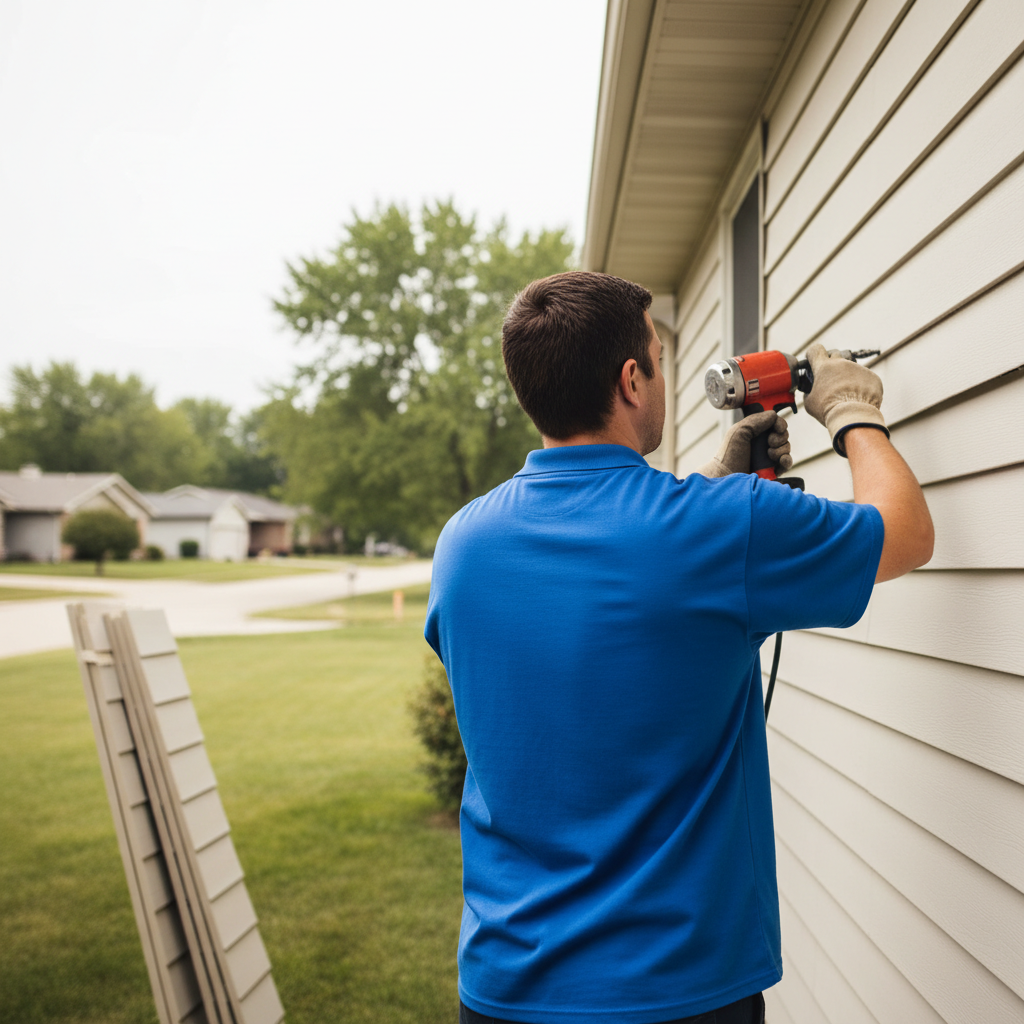
Installing siding in winter is possible and often smart in the Omaha metro. Here is when cold-weather siding installation makes sense, how temperature affects the job, and when to wait for spring.
October 23, 2026
Residential Siding
Siding Repair in Omaha: When to Repair vs. Replace
Cracked, faded, or storm damaged siding leaves many Omaha homeowners wondering whether to repair or replace. This guide walks through the signs, the trade offs, and how to decide.
September 4, 2026
Residential Siding
James Hardie vs LP SmartSide: Choosing Siding for Your Omaha Home
James Hardie fiber cement and LP SmartSide engineered wood are two of the toughest siding options for Omaha homes. Here is how they compare on durability, looks, maintenance, and cost.
September 4, 2026
How Well Does James Hardie Siding Stand Up to Nebraska Hailstorms?
August 14, 2026