
James Hardie vs Metal Siding | 2026 Midwest Performance Comparison
August 4, 2026
•
Written By
Bishop Exteriors
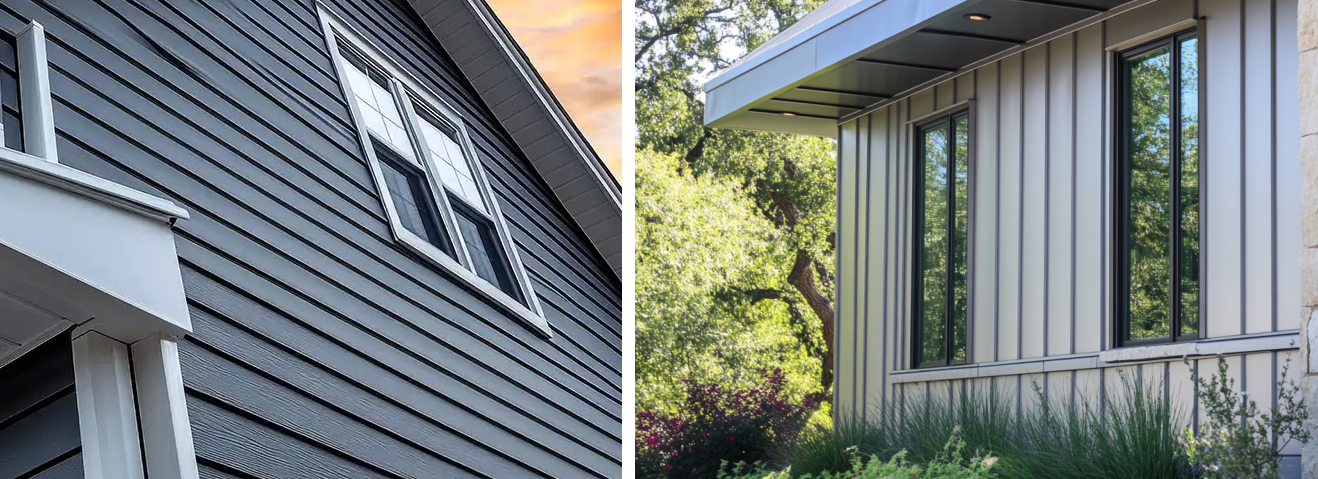
Living in the Midwest means your home takes a beating. One week you are scraping three inches of ice off your windshield, and two months later you are sweating through a sticky 95-degree afternoon with hail rolling over the horizon. That kind of roller-coaster weather puts your house through a serious workout every single year. Your exterior siding is the first line of defense standing between your family and whatever Mother Nature decides to throw at the roofline.
When it comes time to replace old, rotted, or faded cladding, two heavyweights dominate the conversation: fiber cement and steel paneling. Both promise long-term protection, but they work in very different ways. Choosing the wrong option can lead to costly repairs, high energy bills, or a home that looks weathered long before its time. Below is a honest look at how James Hardie fiber cement compares directly to metal siding across performance, maintenance, and real-world value.
Key Takeaways for Midwest Homeowners
- Fiber cement engineered for northern climates resists freeze-thaw damage, moisture rot, and hail impacts without cracking.
- Steel and metal siding offer strong fire resistance and weather defense, but low-gauge metal can dent during heavy Midwestern hailstorms.
- James Hardie provides authentic wood-grain textures that elevate curb appeal, while metal paneling delivers a sleek, modern architectural aesthetic.
- Proper installation with flashing, housewrap, and moisture barriers is more critical to long-term performance than the material itself.
- Both options outlast traditional vinyl and wood siding, making them smart long-term investments for Nebraska properties.
Which Siding Material Better Survives Hard Midwest Freeze-Thaw Cycles?
Fiber Cement Engineered for Northern Climates Edge Out Metal in Extreme Temperature Swings
Midwest winters bring harsh sub-zero temperatures, followed by quick thaws that force materials to expand and contract constantly. When water gets trapped inside a porous material and freezes, it expands. That expansion creates tiny micro-cracks that grow larger every winter until the panel fails.
James Hardie solves this issue by manufacturing climate-specific siding. Their HZ5 line is built specifically for cold northern regions. You can learn more about how James Hardie HZ5 climate technology resists moisture absorption before freeze events occur. This specialized formulation prevents water from soaking into the board, so sub-zero temperatures do not cause swelling or structural cracking.
Metal siding, particularly high-grade steel, also handles temperature shifts without absorbing water. Steel will not rot, crack, or split during a January freeze. However, metal expands and contracts significantly along its length as temperatures swing. If the installers fasten metal panels too tightly without leaving room for thermal movement, the metal can buckle or oil-can over time.
For reliable freeze-thaw performance, fiber cement gives you a stable, rigid board that stays flat and tight against your home regardless of the thermometer reading.
How Do James Hardie and Metal Siding Stand Up to Hail and High Winds?
Both Materials Resist Violent Storms, but Impact Behavior Sets Them Apart
Severe spring storms in the Plains bring high winds, flying debris, and hail. Homeowners need exterior walls that can take a direct hit without needing immediate replacement.
Here is how the two materials perform when a storm rolls through:
- Impact Resistance: Fiber cement is a thick, dense composite of sand, cement, and cellulose fibers. It absorbs heavy impacts from hail and stray branches without denting. Metal siding stands strong against wind, but thinner metal or aluminum panels can show visible dents after a severe hail event.
- Wind Resistance: When installed according to manufacturer specifications, both fiber cement and steel siding withstand gale-force winds up to 130 miles per hour.
- Fire Protection: Wildfire and storm risks have increased across regional dry zones. You can check current regional moisture trends on the U.S. Drought Monitor climate data resource. Both metal and James Hardie fiber cement are non-combustible materials that will not ignite when exposed to direct flames or floating embers.
While metal offers unbeatable fire defense, James Hardie provides superior dent resistance against Midwestern hail. That means your home looks crisp and smooth even after a tough storm season.
Which Siding Looks More Authentic and Boosts Home Value Most?
Fiber Cement Delivers Deep Wood Grain Beauty While Metal Offers Modern Industrial Lines
Performance is vital, but you also want to smile every time you pull into your driveway. Curb appeal directly drives property values across Omaha neighborhoods.
James Hardie lap siding, shingles, and vertical boards are molded from real cedar wood planks. They replicate the warm texture and deep shadow lines of traditional wood siding without any of the endless painting and rotting headaches. Their baked-on factory finishes keep colors rich and vibrant for decades without peeling or chalking.
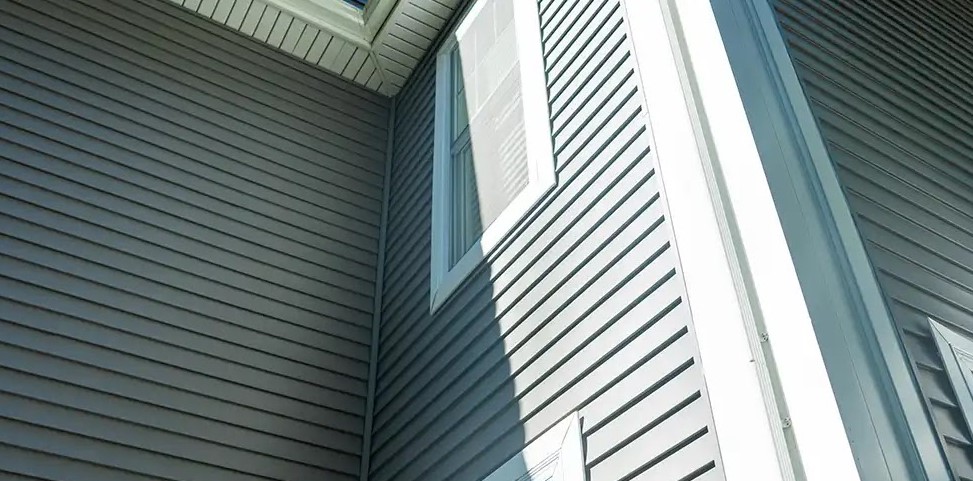
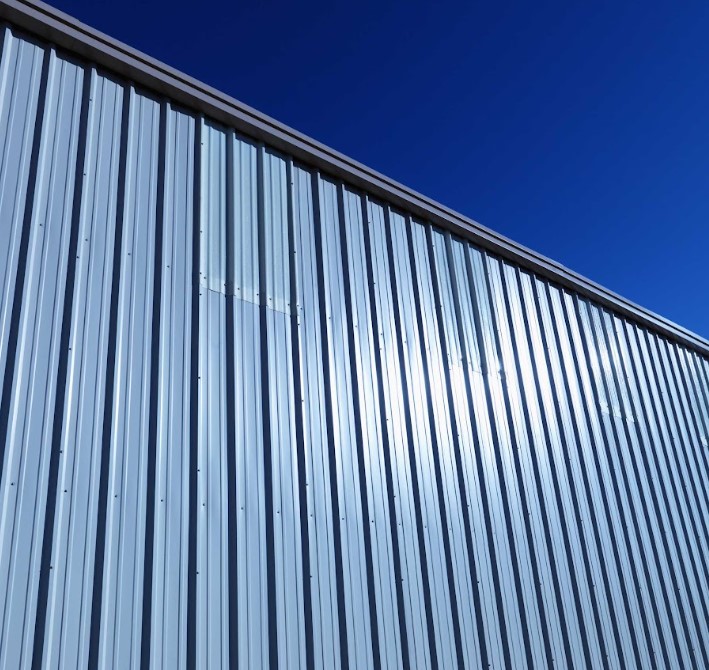
Metal siding has come a long way from old agricultural barn tin. Modern architectural metal panels offer sleek vertical lines, standing seams, and wood-grain prints. Metal fits modern or contemporary home designs well. However, printed wood textures on metal can sometimes look flat or artificial up close compared to genuine fiber cement depth.
If you own a classic craftsman, ranch, or multi-story traditional home, James Hardie fits the neighborhood architecture seamlessly while delivering top-tier resale value.
What Are the Real Maintenance Costs Over a 30-Year Lifespan?
Low Maintenance Needs Keep Money in Your Pocket over the Long Haul
Nobody wants to spend their weekends scraping paint, replacing rotted boards, or spraying pesticides. Both materials drastically cut down on home upkeep compared to standard wood or cheap vinyl.
To understand how complete exterior protection works together, explore our services page to see how quality siding pairs with proper gutters and roofing systems.
James Hardie siding requires only an occasional rinse with a garden hose and a soft brush to remove dust and dirt. Its factory-applied color resists UV fading, so you only need to think about repainting every 15 to 20 years. Pest damage is zero because woodpeckers, termites, and carpenter ants cannot chew through cement sand.
Metal siding requires virtually zero painting if you select high-quality pre-finished steel. However, factory coatings on lower-tier metal panels can scratch during installation or lawn maintenance. Exposed steel on deeper scratches can rust over time if not touched up promptly.
Overall, both materials deliver outstanding long-term savings, but fiber cement eliminates the risk of surface rust and denting.
Real Talk: Common Questions Omaha Homeowners Ask About Siding
Is James Hardie Siding Worth the Investment Over Basic Vinyl?
Yes, fiber cement costs more upfront than vinyl, but it lasts twice as long and handles storm impacts far better. Vinyl becomes brittle in freezing temperatures, leading to cracks from hail or snowblowers. James Hardie holds its shape, improves energy efficiency, and delivers a higher return on investment when you sell your home.
Can Metal Siding Make My House Hotter in the Summer?
Metal reflects radiant heat when installed over proper rigid insulation and air gaps, but the panels themselves get hot when direct sunlight hits. Without solid substrate insulation and professional installation, metal can transfer heat into your attic space. Fiber cement provides natural thermal mass that helps stabilize indoor temperatures year-round.
How Long Does Fiber Cement Siding Last in Nebraska?
When installed by qualified craftsmen using proper moisture barriers and flashing, James Hardie siding easily lasts 30 to 50 years. The substrate carries a 30-year non-prorated limited warranty, making it one of the most reliable exterior products on the market.
Build a Home Exterior That Stands the Test of Time with Bishop Exteriors
Choosing between James Hardie and metal siding comes down to your home style, budget, and local exposure. Fiber cement gives you the timeless beauty of real wood with unmatched hail resistance and freeze-thaw protection built for northern winters. Metal provides a sharp, modern line with zero pest worries.
No matter which material you choose, the product is only as good as the hands installing it. Proper housewrap, clean flashing, and precise fastening keep moisture out and keep your warranty protected.
As a trusted local contractor, Bishop Exteriors treats your home like our own. We guide you through material selection, provide transparent estimates, and deliver flawless craftsmanship from start to cleanup.
Ready to transform your home with siding built for Midwest weather? You can contact our team in Omaha, Nebraska today for a free, no-pressure estimate and honest expert advice.
Recent Articles
Residential Siding
Siding Repair in Omaha: When to Repair vs. Replace
Cracked, faded, or storm damaged siding leaves many Omaha homeowners wondering whether to repair or replace. This guide walks through the signs, the trade offs, and how to decide.
September 4, 2026
Residential Siding
James Hardie vs LP SmartSide: Choosing Siding for Your Omaha Home
James Hardie fiber cement and LP SmartSide engineered wood are two of the toughest siding options for Omaha homes. Here is how they compare on durability, looks, maintenance, and cost.
September 4, 2026
How Well Does James Hardie Siding Stand Up to Nebraska Hailstorms?
August 14, 2026
James Hardie vs Metal Siding | 2026 Midwest Performance Comparison
August 4, 2026